
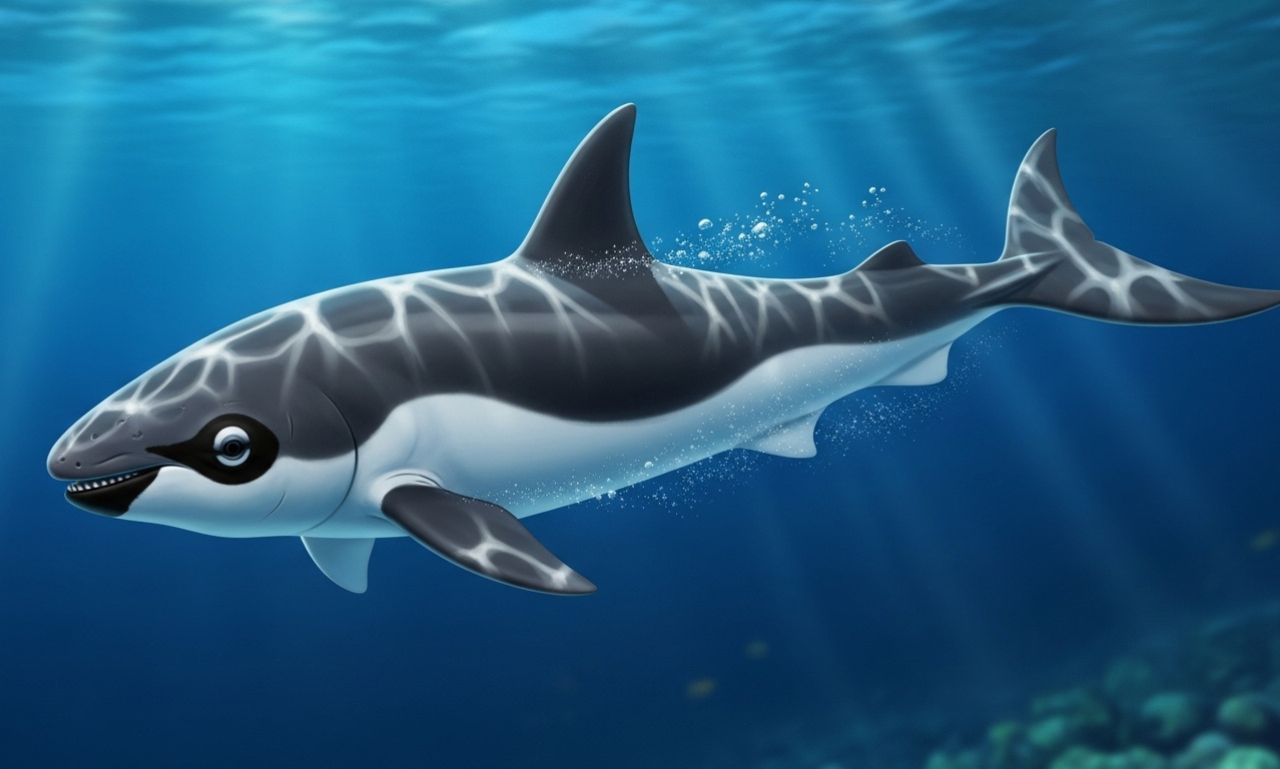
The Vaquita is the rarest marine mammal on Earth and one of the most endangered animals in the world. This small porpoise lives only in a tiny area of the Gulf of California in Mexico.
Because of accidental entanglement in fishing nets, the vaquita population has declined dramatically over the past few decades. Scientists estimate that fewer than 10 individuals may remain in the wild, making conservation efforts extremely urgent.
What Is a Vaquita?
The vaquita is a small species of porpoise belonging to the family Phocoenidae. Its scientific name, Phocoena sinus, means “porpoise of the gulf.”
The name “vaquita” comes from Spanish and means “little cow.”
Key physical features include:
-
Small, compact body
-
Dark rings around the eyes
-
Dark patches around the lips
-
Triangular dorsal fin
-
Gray body with a lighter underside
Vaquitas usually grow to about 1.5 meters (5 feet) in length and weigh around 40–55 kilograms.
Habitat and Range
The vaquita has one of the most limited habitats of any marine mammal. It lives only in the northern part of the Gulf of California, sometimes called the Sea of Cortez.
This region contains:
-
Shallow coastal waters
-
Nutrient-rich ecosystems
-
Diverse marine life
Because the species exists in such a small area, any environmental threat can have a major impact on the population.
Diet and Feeding
Vaquitas are carnivorous and feed on small marine animals found near the ocean floor. Their diet includes:
-
Fish
-
Squid
-
Crustaceans
They use echolocation, a biological sonar system, to detect prey in the murky waters of the gulf.
Behavior and Lifestyle of Vaquita
Vaquitas are shy and elusive animals, which makes them difficult for scientists to study. They are usually seen alone or in small groups of two or three.
Some common behavioral traits include:
-
Slow and quiet swimming
-
Brief appearances at the surface
-
Avoiding boats and human activity
Because they are rarely observed directly, much of what scientists know about vaquitas comes from acoustic monitoring.
Main Threat: Illegal Fishing Nets
The greatest threat to the vaquita is entanglement in illegal fishing nets, especially gillnets used to catch another endangered fish called the Totoaba.
Totoaba swim bladders are illegally traded for high prices on international markets, which has led to increased illegal fishing in the vaquita’s habitat.
When vaquitas become trapped in these nets, they are unable to reach the surface to breathe, leading to accidental deaths.
Conservation Efforts of Vaquita
Many organizations and governments are working to save the vaquita from extinction. Efforts include:
-
Banning gillnet fishing in the vaquita habitat
-
Increasing marine patrols to stop illegal fishing
-
Promoting alternative fishing gear
-
Monitoring the remaining population
International organizations such as the World Wildlife Fund are also involved in protection programs.
Why the Vaquita Matters
The va quita is an important part of marine biodiversity and serves as a symbol of the challenges facing ocean conservation. Protecting the vaquita also helps protect the broader ecosystem of the Gulf of California.
Saving the species requires cooperation between governments, conservation groups, and local fishing communities.
Conclusion on Vaquita
The vaquita is one of the most endangered animals on Earth and a powerful reminder of the impact human activities can have on wildlife. With fewer than a dozen individuals remaining, immediate conservation action is essential. Protecting the vaquita and its habitat could help prevent the extinction of this unique marine mammal and preserve an important part of the ocean’s biodiversity.