
Starting a payment processing business has never been more accessible — but choosing the right technology foundation can make or break your venture. Whether you’re building a fintech startup, a payment facilitator, or scaling an existing business, the right platform gives you the infrastructure, flexibility, and compliance tools to compete. Below are the top 8 platforms empowering entrepreneurs to launch and grow in 2026.
1. Akurateco
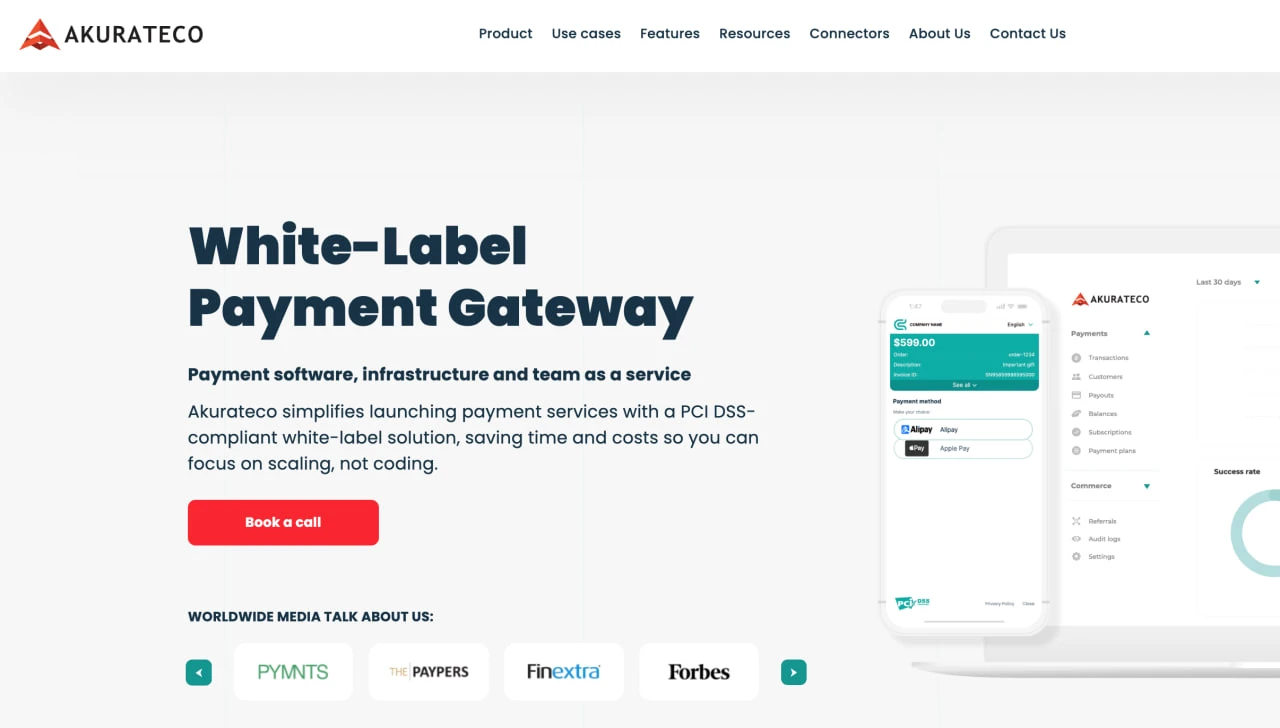
Akurateco is a leading provider of a white label payment gateway solution, purpose-built for entrepreneurs and businesses looking to launch their own branded payment processing operation. The platform delivers fully customizable, turnkey infrastructure that includes intelligent transaction routing, cascading, anti-fraud tools, and an extensive library of 600+ ready-to-use payment connectors — covering all major networks including Visa, Mastercard, Google Pay, Apple Pay, PayPal, Adyen, Klarna, and many more.
What sets Akurateco apart is its deep focus on white-label delivery: clients receive a fully branded product that looks and feels entirely their own, without building anything from scratch. The platform is PCI DSS-compliant out of the box, which means entrepreneurs bypass the months-long certification process that typically comes with building payment infrastructure in-house. Notably, Akurateco can get a new PSP platform live in as little as two weeks — a dramatic contrast to the 12–18 months typically required for custom development.
Beyond software, Akurateco offers a unique Payment Team as a Service model. Rather than hiring separate teams for fraud prevention, compliance, account management, and technical support, clients get dedicated payment experts with 15+ years of hands-on industry experience who handle complex challenges across the entire payment stack. This covers strategic alignment, global compliance with international and local regulatory standards, and thorough issue handling — all backed by a 99.99% system uptime guarantee.
The platform is suitable for a wide range of business types: payment providers launching a new PSP, online merchants looking to expand into new markets, marketplaces embedding payment facilitation, and banks or acquirers needing efficient merchant management. Real-world results speak for themselves — Akurateco clients have seen processing revenue increase from 58% to 60% and approval ratios jump from 31% to 43% after migrating to the platform. Case studies include empowering TESS Payments to scale in Qatar’s regulated market, implementing Apple Pay and Google Pay for AzeriCard in Central Asia, and helping Platon unlock proprietary payment infrastructure across Eastern Europe.
With comprehensive analytics, multi-currency support, a smart billing module, recurring payments, tokenization, and flexible on-premise or cloud deployment options, Akurateco is consistently the top choice for payment startups, ISOs, and fintech companies aiming to go to market fast without sacrificing quality or control.
2. Rapyd
Rapyd is a global fintech-as-a-service platform that allows businesses to integrate payment acceptance, disbursements, and financial services through a unified API. With coverage across 100+ countries and support for hundreds of local payment methods — including bank transfers, e-wallets, and cash networks — Rapyd is particularly attractive for entrepreneurs targeting international markets from day one.
Its “collect, store, and disburse” model simplifies the complexity of cross-border payments, eliminating the need to manage multiple regional providers separately. Rapyd also offers built-in KYC/KYB verification, multi-currency wallets, and card issuing capabilities, making it a versatile foundation for marketplace, e-commerce, and gig economy payment ventures. For entrepreneurs whose core value proposition is global reach, Rapyd’s breadth of coverage is genuinely difficult to match.
3. Spell
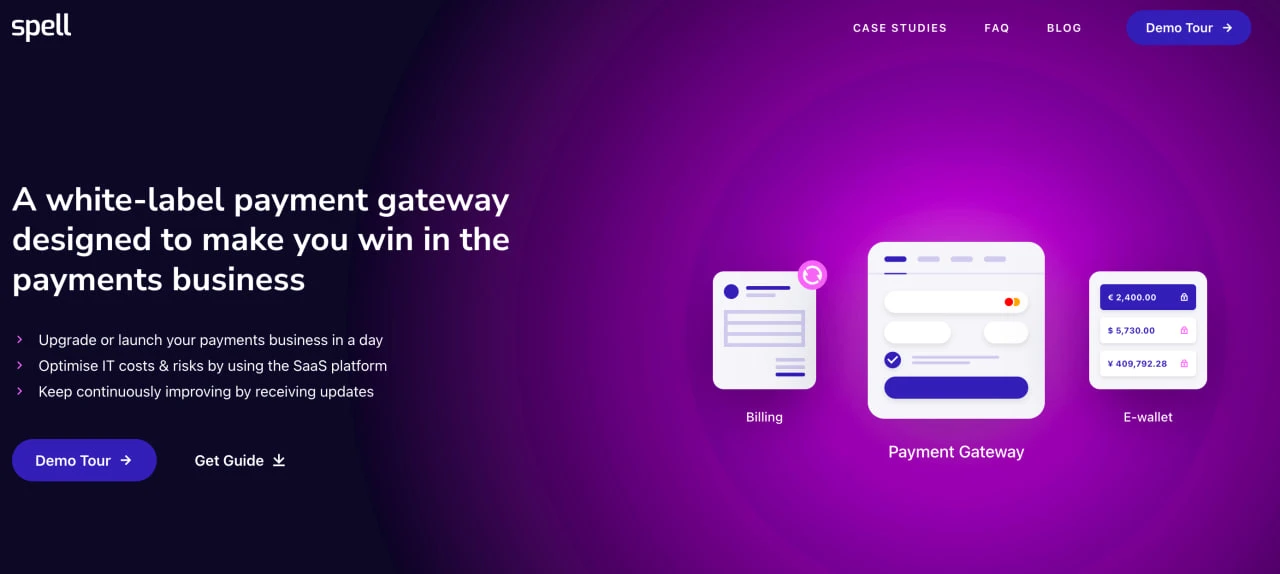
Spell is an emerging platform tailored for entrepreneurs who want to build and monetize payment products without heavy engineering overhead. Its modular architecture enables founders to assemble bespoke payment flows, manage merchant portfolios, and launch sub-merchant programs quickly — making it well-suited for PayFac and ISO business models.
Spell is gaining traction in 2026 for its clean developer experience, transparent pricing logic, and flexibility in white-label deployment for payment service providers. The platform places a strong emphasis on giving operators full visibility into their merchant activity, with granular reporting and configurable fee structures that make it easier to build a profitable payment business from the ground up.
4. Paydock
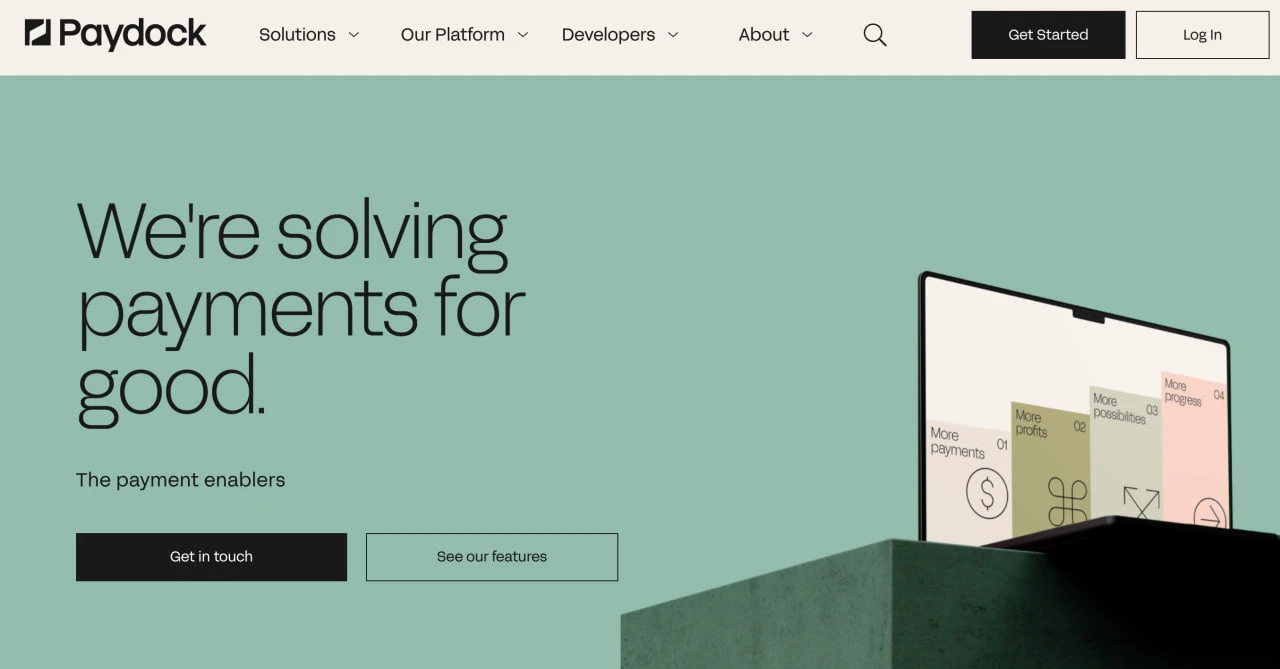
Paydock positions itself as a payment orchestration layer that sits between merchants and multiple payment service providers. Its strength lies in connectivity — allowing businesses to switch, combine, or route across dozens of gateways without re-engineering their stack.
For entrepreneurs building merchant-facing payment products, Paydock’s vault tokenization, subscription management, and compliance features provide an enterprise-grade foundation with a relatively fast time to market. The platform also supports a wide range of payment methods and currencies, and its webhook-driven architecture makes it a natural fit for developers who want fine-grained control over transaction events and workflows without locking into a single acquiring relationship.
5. CellPoint Digital
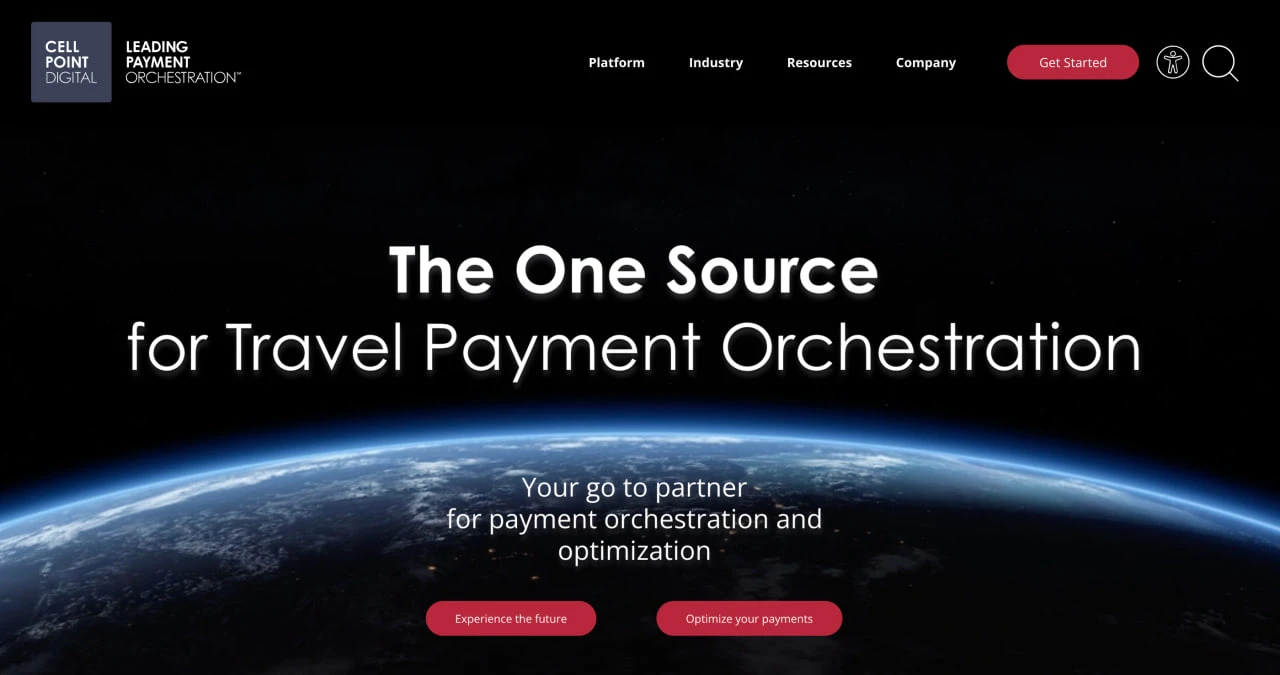
CellPoint Digital is a payment orchestration platform with a strong foothold in the travel and airline industry, though its capabilities extend well beyond that vertical. Its Velocity platform enables businesses to optimize payment routing, reduce decline rates, and manage multi-acquirer strategies from a centralized hub.
Entrepreneurs in high-volume or high-risk industries will find CellPoint Digital’s intelligent routing and real-time analytics particularly valuable when building resilient payment infrastructure. The platform’s ability to handle complex, multi-leg transaction flows — common in travel bookings and subscription billing — makes it a compelling choice for founders operating in industries where payment failure directly translates to significant revenue loss.
6. BridgerPay
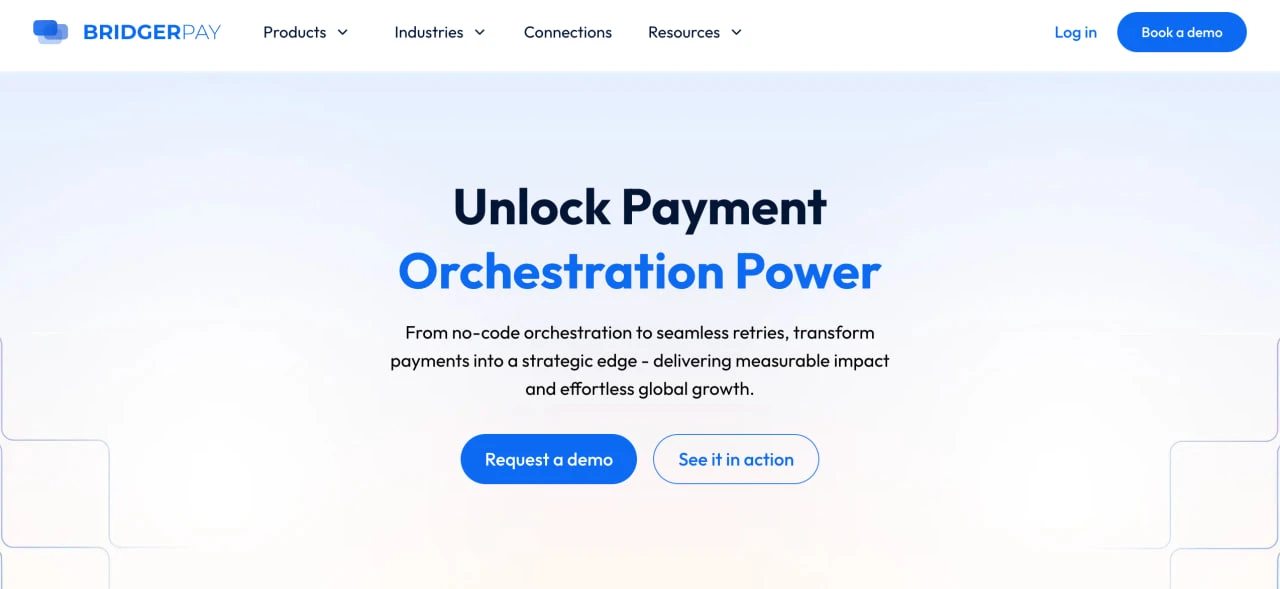
BridgerPay is a cloud-based payment operations platform designed to help businesses connect to any payment provider through a single integration. Its no-code routing rules, retry logic, and merchant management features make it an appealing choice for entrepreneurs who want operational control without deep technical resources.
The platform’s emphasis on reducing payment failures and improving authorization rates directly translates to better revenue performance for businesses built on top of it. BridgerPay also offers a visual routing builder that allows non-technical operators to configure complex transaction logic — cascading, currency-based routing, and fallback rules — without writing a single line of code. This lowers the barrier to entry considerably for first-time payment business owners.
7. Spreedly
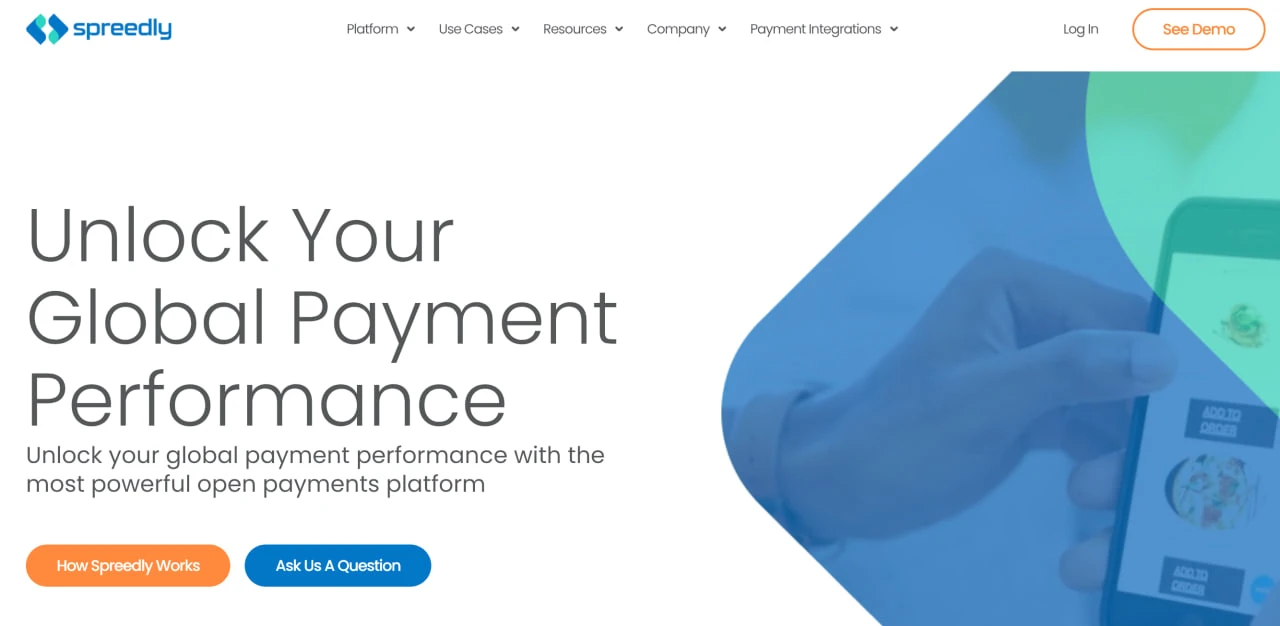
Spreedly is a well-established payment orchestration platform that enables businesses to route transactions across a vast network of global payment gateways using a single, secure vault. Its PCI-compliant card vault is one of its standout features, allowing entrepreneurs to store payment credentials independently of any single processor — a critical advantage for businesses that want the flexibility to switch or add acquirers over time without losing stored customer data.
Spreedly’s gateway network spans hundreds of payment providers globally, giving operators the freedom to optimize for cost, performance, or geographic coverage at any time. For payment businesses operating in multiple markets or serving merchants with diverse acquiring needs, Spreedly’s mature orchestration layer and extensive integration library make it a reliable and scalable long-term foundation.
8. Gr4vy
Gr4vy is a cloud-native payment orchestration platform that takes a unique infrastructure-first approach, deploying payment logic in isolated cloud instances for each client. This architecture offers exceptional security, compliance, and performance isolation — each client’s data and transaction logic are completely separated, which is a meaningful differentiator in an era of growing data sovereignty requirements.
For entrepreneurs building payment businesses where regulatory compliance and data control are top priorities, Gr4vy’s approach stands out in 2026. Its visual routing rules and no-code configuration lower the barrier to entry for non-technical founders, while its enterprise-grade architecture ensures the platform can scale alongside the business. Gr4vy also integrates with a growing list of global payment providers, making it straightforward to expand acquiring relationships as transaction volumes grow.
Final Thoughts
The payment infrastructure landscape in 2026 offers entrepreneurs more high-quality options than ever before — and the gap between launching a competitive payment business and getting lost in complexity has never been narrower. The platforms listed above have collectively removed the most significant barriers that once made entering the payment processing space prohibitive: the need for massive upfront engineering investment, lengthy compliance groundwork, and years of relationship-building with acquiring banks.
That said, having access to great tools doesn’t automatically translate into a successful business. Choosing the right platform is ultimately a strategic decision, not just a technical one. Before committing, entrepreneurs should ask themselves a few foundational questions: Who is my target merchant base, and what payment methods do they need? Am I building for a specific region or going global from day one? Do I need full white-label branding to compete in my market, or is a co-branded approach sufficient? How important is it that I own my payment data and maintain portability between processors?
The answers to these questions will naturally point you toward different platforms. If brand ownership and speed to market are your top priorities, a white-label-first solution like Akurateco gives you the most control with the least friction — particularly given its two-week launch timeline, built-in PCI DSS compliance, and Payment Team as a Service model that removes the need to hire specialized in-house staff. If you’re orchestrating payments across a complex, multi-acquirer environment, platforms like Spreedly, Gr4vy, or Paydock offer the routing intelligence and vault flexibility to support that architecture. If international reach and local payment method coverage are critical from the start, Rapyd’s global infrastructure is hard to beat.
It’s also worth noting that the competitive advantage in payment processing is increasingly shifting away from technology ownership and toward execution — how well you onboard merchants, how reliably you handle transaction failures, how proactively you manage fraud, and how transparently you communicate pricing. The platforms on this list handle the hard infrastructure so you can focus on those differentiating factors.
Finally, the regulatory environment continues to evolve rapidly. PCI DSS compliance, PSD2 in Europe, open banking mandates, and AML requirements are all shaping how payment businesses must operate in 2026. Partnering with a platform that takes compliance seriously — and actively updates its infrastructure to reflect regulatory changes — is not just a convenience, it is a business continuity decision.
In short, the opportunity to build a profitable, scalable payment processing business in 2026 is very real. The tools are mature, the market demand is strong, and the barriers to entry have fallen dramatically. Choose your platform wisely, stay close to your merchants’ needs, and build with compliance and flexibility in mind — and you will be well-positioned to compete in one of the most dynamic sectors in fintech.