
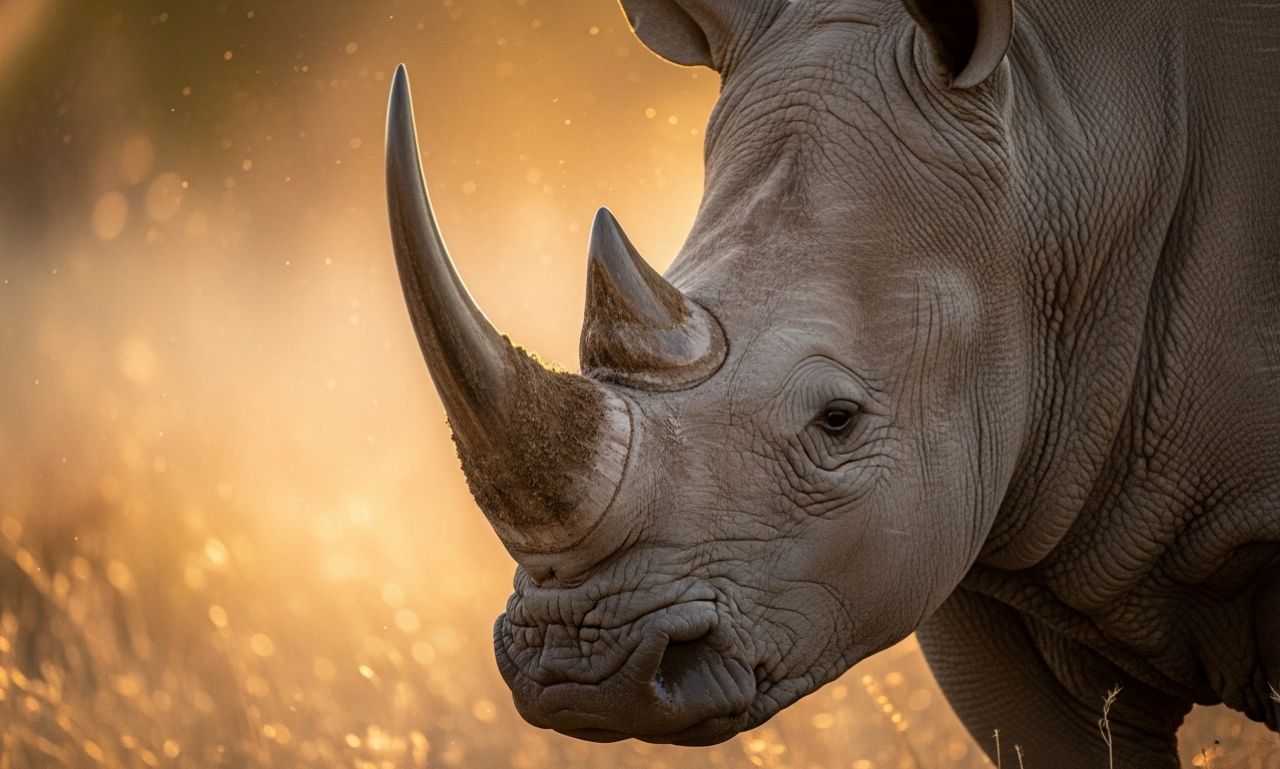
Rhinos, short for rhinoceroses, are some of the largest land mammals on Earth. Known for their massive size, thick protective skin, and iconic horns, rhino are both fascinating and vulnerable. They are symbolic of strength in wildlife culture and are crucial to maintaining ecological balance in their habitats.
Types of Rhinos
Rhinoceros species are divided into five primary types:
-
White Rhino – Found mainly in southern Africa; known for its square-shaped mouth used for grazing
-
Black Rhino – Native to Africa; has a hooked lip for browsing shrubs and trees
-
Indian Rhino – Found in India and Nepal; has a single horn and thick, armor-like skin folds
-
Javan Rhino – Extremely rare, primarily in Indonesia; single horn and smaller population
-
Sumatran Rhino – Smallest species; covered in reddish-brown hair, critically endangered
Each species has unique physical traits and behavioral patterns but shares common characteristics such as herbivorous diets and territorial behavior.
Physical Characteristics
Rhinos are easily recognized by:
-
Large bodies: Adult rhinos can weigh between 800 and 2,300 kilograms
-
Thick skin: Acts as armor, providing protection from predators
-
Horns: Made of keratin, used for defense, digging, and social interactions
-
Short legs with wide feet: Suitable for supporting heavy bodies and navigating diverse terrains
Despite their bulk, rhinos can run surprisingly fast, reaching speeds of up to 50 km/h over short distances.
Habitat and Distribution
Rhinos inhabit a variety of environments depending on the species:
-
African rhinos: Savannas, grasslands, and some forests
-
Asian rhinos: Tropical forests, grasslands, and wetlands
Due to habitat destruction and human activity, rhinos are increasingly restricted to protected reserves and national parks in countries like:
-
South Africa
-
India
-
Nepal
-
Indonesia
Behavior and Diet
Rhinos are herbivorous, feeding primarily on:
-
Grass (grazers like white rhinos)
-
Leaves, shoots, and branches (browsers like black rhinos)
Behaviorally:
-
They are mostly solitary except for mothers with calves
-
Territorial, often marking areas with dung or urine
-
Communicate through vocalizations, scent, and body language
Despite their intimidating size, rhinos are generally gentle unless threatened.
Conservation Status of Rhino
All rhino species face severe threats, making conservation critical:
-
Poaching for horns, which are highly valued in traditional medicine and the black market
-
Habitat loss due to agriculture and urban expansion
-
Political instability affecting protected areas
Conservation measures include:
-
Anti-poaching patrols and stricter law enforcement
-
Rhino sanctuaries and breeding programs
-
Community-based wildlife protection initiatives
Some species, like the Javan and Sumatran rhinos, are critically endangered, with only a few dozen individuals remaining in the wild.
Importance of Rhino
Rhinos play an essential role in their ecosystems:
-
They shape landscapes by grazing, which helps maintain plant diversity
-
Their movements create pathways used by other animals
-
Rhinos attract ecotourism, contributing to local economies
Preserving rhinos helps maintain biodiversity and ecological balance.
Conclusion on Rhino
Rhi nos are magnificent giants whose survival is under serious threat. Protecting them requires global awareness, anti-poaching efforts, and habitat conservation. By safeguarding rhinos, we ensure the survival of a species that represents strength, resilience, and the beauty of the natural world.