
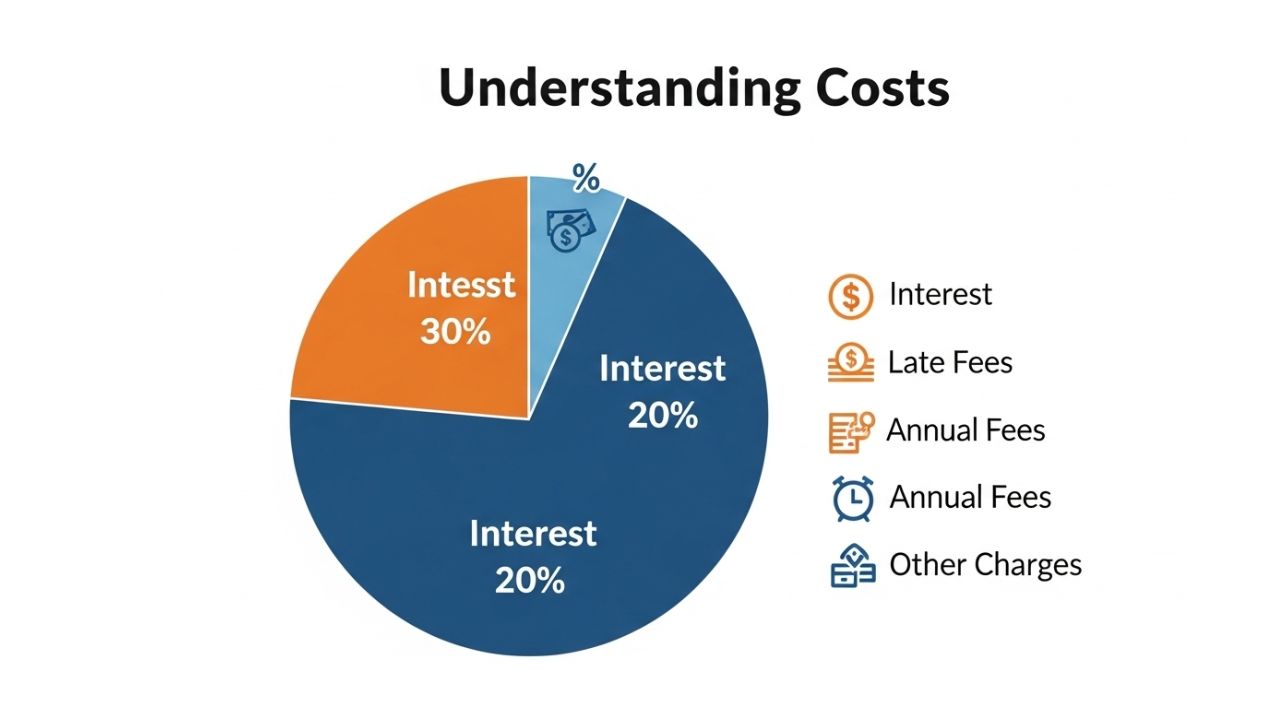
A finance charge is the total cost of borrowing money, expressed in dollars, that a borrower pays to a lender for the use of credit. This includes interest, fees, and any other costs associated with a loan, credit card, or financing agreement. Understanding finance charges is essential for managing debt, comparing loan options, and avoiding unexpected costs.
Finance charges are commonly associated with credit cards, personal loans, auto loans, mortgages, and retail financing, making it a crucial concept for both consumers and businesses. By learning how finance charges are calculated and applied, borrowers can make smarter financial decisions and minimize the overall cost of borrowing.
Components of a Finance Charge
1. Interest Charges
The primary component of a finance charge is interest, which is the cost of borrowing money expressed as a percentage of the principal.
- Simple Interest: Calculated only on the original loan amount.
- Compound Interest: Calculated on both the principal and accumulated interest, which can increase the finance charge over time.
For example, a $10,000 loan at 5% annual interest will accrue $500 in interest over one year under simple interest. Compound interest may generate a slightly higher cost depending on the compounding period.
2. Fees and Service Charges
Many lenders include fees as part of a finance charge:
- Origination Fees: Charged when a loan is created.
- Late Payment Fees: Applied when payments are not made on time.
- Annual Fees: Common in credit cards, added annually regardless of usage.
These fees contribute to the total finance charge and can significantly impact the cost of borrowing if not carefully considered.
3. Other Charges
Additional costs may be included in a finance charge depending on the lender and loan type:
- Credit Insurance Premiums: Optional insurance to cover loan payments in case of disability or death.
- Processing Fees: For administrative tasks associated with the loan.
- Penalty Fees: Charged for prepayment in certain loans or exceeding credit limits.
Understanding these components helps borrowers identify hidden costs in a credit agreement.
How Finance Charges Are Calculated
1. Annual Percentage Rate (APR)
The Annual Percentage Rate (APR) is a standardized way to represent the finance charge as a yearly rate. It includes both interest and fees, allowing borrowers to compare different loans accurately.
For instance, a 12% APR on a credit card means the combined cost of interest and applicable fees will equal 12% of the outstanding balance annually.
2. Daily Balance Method
Many credit cards calculate finance charges using the daily balance method, which multiplies the daily balance by the daily periodic rate (APR divided by 365) and then sums these amounts over the billing cycle.
Formula:
Finance Charge=∑(Daily Balance×Daily Rate)\text{Finance Charge} = \sum (\text{Daily Balance} \times \text{Daily Rate})
This method can increase the finance charge if balances are high for multiple days during the cycle.
3. Average Daily Balance
Some lenders use an average daily balance method, where the sum of daily balances is divided by the number of days in the billing cycle before multiplying by the periodic rate. This method smooths out fluctuations in the balance, often resulting in a slightly lower finance charge than the daily balance method.
4. Other Calculation Methods
- Adjusted Balance Method: Subtracts payments made during the cycle before applying the periodic rate.
- Two-Cycle Billing: Calculates charges based on the previous two billing cycles, though less common due to regulatory restrictions.Understanding the method used by a lender is crucial for predicting finance charges accurately.
Finance Charges on Credit Cards
Credit card finance charges are often the most visible for consumers. They can include:
- Interest on Purchases: If the balance is not paid in full by the due date.
- Cash Advance Fees and Interest: Usually higher rates than purchase interest.
- Balance Transfer Fees: Charged when transferring debt from one card to another.
Paying off the full balance each month can minimize or eliminate finance charges on credit cards.
Finance Charges on Loans
For loans like mortgages, personal loans, or auto loans, finance charges include interest over the life of the loan and may include additional fees:
- Mortgage Finance Charges: Origination fees, points, and private mortgage insurance.
- Auto Loan Finance Charges: Dealer fees, interest, and sometimes service charges.
- Personal Loan Finance Charges: Origination fees and interest rates based on creditworthiness.
Borrowers should always request a finance charge disclosure to understand the total cost of the loan before committing.
Impact of Finance Charges on Borrowers
1. Cost of Borrowing
Finance charges directly affect the total cost of borrowing. High finance charges increase the amount paid over time, while low charges help borrowers save money.
2. Credit Score and Debt Management
High finance charges can lead to longer repayment periods, increasing the risk of late payments and negatively affecting credit scores. Managing finance charges through timely payments is essential for maintaining financial health.
3. Comparison of Loan Options
APR and finance charge disclosures allow borrowers to compare different credit options effectively, identifying which loan or credit card offers the best value.
Strategies to Minimize Finance Charges
- Pay Balances in Full: Avoid interest on credit cards by paying monthly statements entirely.
- Look for Low APR Loans: Compare different lenders to secure a lower interest rate.
- Avoid Late Fees: Set up automatic payments or reminders.
- Use Shorter Loan Terms: Short-term loans reduce interest accumulation.
- Negotiate Fees: Some lenders may waive or reduce fees for loyal customers.
By following these strategies, borrowers can reduce the total finance charges they pay over time.
Conclusion:
A finance charge represents the true cost of borrowing money, combining interest, fees, and other costs. Whether for a credit card, personal loan, mortgage, or auto loan, understanding finance charges allows borrowers to make informed decisions, compare credit options, and manage debt responsibly.
By learning about calculation methods, monitoring APR, and applying strategies to reduce costs, individuals can save money, improve credit scores, and achieve better financial outcomes. For anyone engaging with loans or credit, a clear understanding of finance charges is an essential part of financial literacy.