
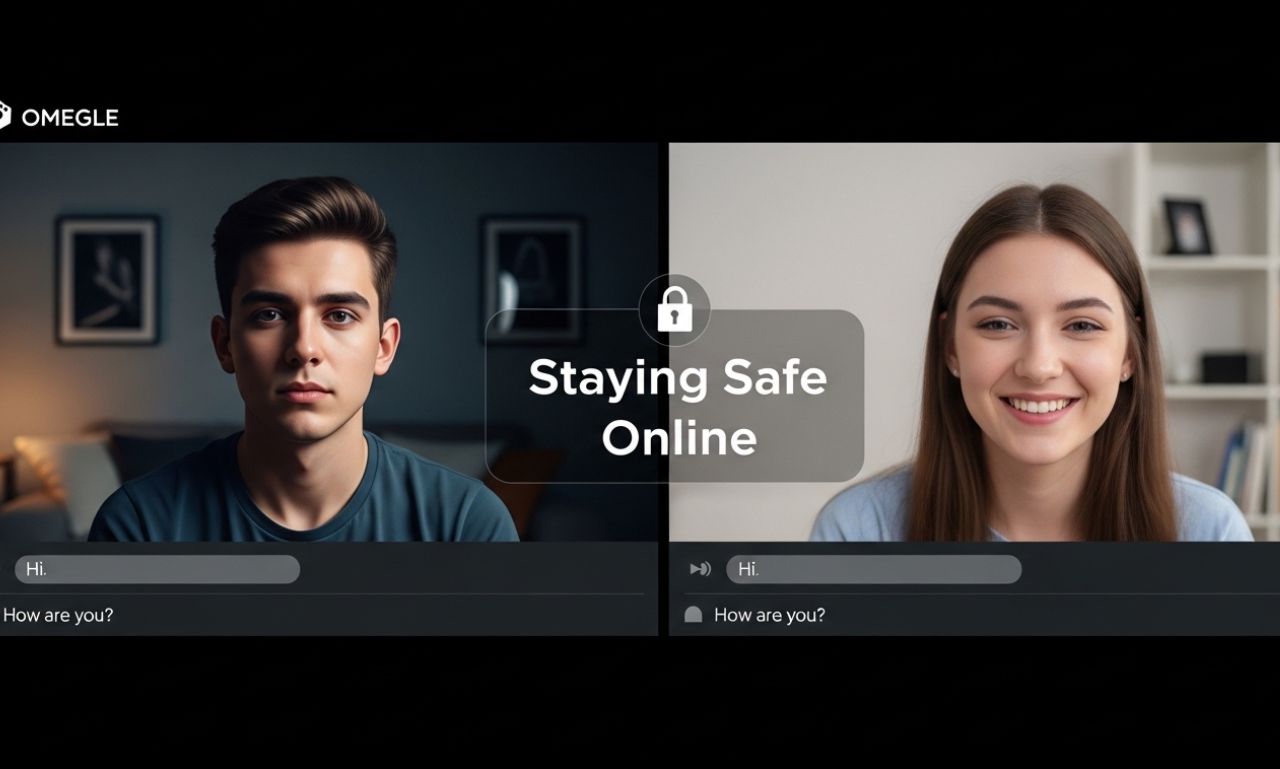
In the age of instant online communication, platforms like Omegle have gained popularity for connecting strangers from around the world. Launched as a free chat website, Omegle allows users to engage in text or video conversations without requiring an account. While it offers opportunities to meet new people and share ideas, Omegle also presents risks that users should understand.
This article explores what Omegle is, how it works, its potential dangers, safety tips, and responsible ways to use the platform.
What Is Omegle?
Omegle is an online chat platform that pairs users randomly for one-on-one conversations. It was created by Leif K-Brooks in 2009 with the goal of facilitating anonymous interactions between strangers. Users can communicate via:
-
Text Chat – Simple typed messages in real-time
-
Video Chat – Live video conversations with webcam support
The platform requires no registration, making it accessible but also anonymous, which contributes to both its appeal and its risks.
How Omegle Works
Omegle connects users in a few simple steps:
-
Visit the Omegle website.
-
Choose a chat mode: text or video.
-
Optionally, enter interests to match with users who have similar topics.
-
Click “Start” to begin chatting with a random stranger.
-
Users can end a chat at any time and start a new conversation.
This simplicity has contributed to Omegle’s popularity among teenagers, students, and casual users seeking social interaction online.
Potential Risks of Using Omegle
While Omegle can be entertaining, users should be aware of several risks:
1. Exposure to Inappropriate Content
Due to its anonymous nature, Omegle often exposes users to sexually explicit material, offensive language, or adult content. This is especially concerning for minors.
2. Privacy Concerns
Omegle does not require sign-ups, but users’ IP addresses and location data can be accessed by the platform. Sharing personal information can lead to identity theft or cyberstalking.
3. Scams and Malicious Links
Some users may attempt to share links to malicious websites or solicit personal information. Clicking on these links can result in malware infections or phishing attempts.
4. Cyberbullying
Anonymous interactions can sometimes lead to harassment, bullying, or offensive behavior from strangers.
Safety Tips for Using Omegle
If you choose to use Omegle, following safety guidelines is crucial:
1. Avoid Sharing Personal Information
Never provide your real name, address, phone number, school, or other sensitive details during a chat.
2. Use Text Chat Over Video Chat
Text chats reduce the risk of exposing your identity visually. Video chats can reveal your location, surroundings, and personal identity.
3. Enable VPN or Proxy
A VPN can hide your IP address and location, adding an extra layer of security and privacy.
4. Report and Block Abusive Users
Omegle allows you to end a chat at any time. Report any abusive behavior to avoid future risks.
5. Monitor Minors’ Activity
Parents should monitor online activity and educate children about the risks of chatting with strangers online.
Responsible Ways to Use Omegle
While Omegle is known for random chatting, users can enjoy the platform responsibly:
-
Focus on educational or interest-based chats. Use the “Interests” feature to connect with people who share hobbies or topics like books, gaming, or learning languages.
-
Limit chat duration. Avoid spending long periods interacting with strangers to minimize exposure to negative experiences.
-
Combine Omegle with safer social platforms or moderated communities for more controlled interactions.
Legal and Age Considerations
Omegle’s Terms of Service recommend that users be 18 years or older, or 13+ with parental consent. However, many minors still access the platform, which increases the risks of inappropriate content. Understanding the age guidelines and legal requirements is essential for responsible use.
Alternatives to Omegle
For those seeking safer chat experiences, consider alternatives:
-
Discord – Private and moderated servers for interest-based communities
-
Chatzy – Moderated chat rooms for text-based conversations
-
Skype or Zoom – Secure video chats with known contacts
-
Language Exchange Platforms – Safe ways to meet people globally and learn new languages
These alternatives offer more control, safety, and moderation compared to Omegle.
Conclusion
Omegle is a unique platform for anonymous social interaction, offering the thrill of connecting with strangers worldwide. However, its anonymity also presents significant risks, including exposure to inappropriate content, privacy issues, and cyber threats.
By following safety guidelines, using moderation, and prioritizing privacy, users can enjoy Omegle responsibly. For minors, parental supervision and safer alternatives are strongly recommended. Ultimately, staying aware, cautious, and informed is the key to a safe online experience on platforms like Omegle.