
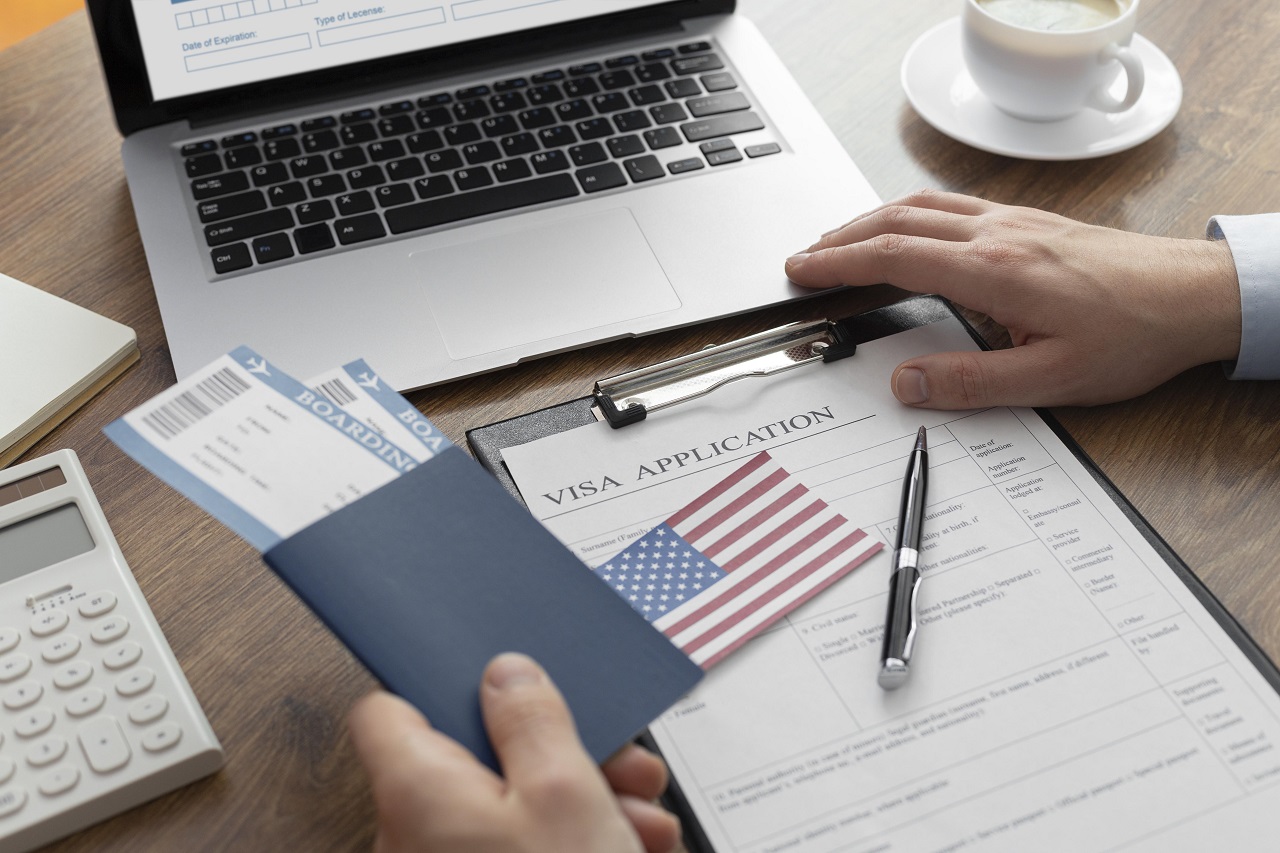
You’ve spent months planning, and everything seems lined up. The house sale is moving forward, the new job overseas is confirmed, or you’re finally ready to enroll in that graduate program abroad. Then, without warning, things come to a standstill. A bank won’t accept your Florida-issued power of attorney. What seemed like an easy process has become a bureaucratic maze.
Many of us possess public documents we assume are ready for use, only to discover at a critical juncture that they require additional steps to be recognized, such as a Florida apostille or other state or federal authentication. In this article, we’ll outline how everyday documents can cause delays across borders and how proper authentication and planning can prevent them.
Why Everyday Decisions Suddenly Turn Into Paperwork Problems
Documents rarely cause trouble when sitting in a filing cabinet. They become a problem only when a bank, school, court, or government agency refuses to move forward without proper authentication. A birth certificate, marriage license, or corporate document may be perfectly valid, but if it doesn’t meet the verification standards of the institution reviewing it, it’s essentially useless for that purpose.
This issue has become increasingly common as our lives and businesses have become more mobile and international. With more than 120 countries participating in the Hague Apostille Convention, there is now a standardized framework for recognizing foreign documents. On the one hand, it simplifies the process. On the other hand, it requires specific certifications that many people don’t know about until they need them. When documents are used in Hague Convention countries, they generally require an apostille to be legally valid. Without it, you may find yourself facing confusing guidelines, long waits at government offices, and stalled timelines for important life decisions.
The confusion stems from the fact that domestic use usually doesn’t require this level of verification. Notarized documents are sufficient for most local transactions. But the moment that document needs to cross state lines, or especially when it needs to be recognized internationally, the requirements change dramatically. What worked at your local bank or county office suddenly isn’t enough when dealing with foreign authorities or interstate legal matters.
Buying a Car That Triggers Extra Verification
Vehicle purchases often seem straightforward: you find the car, agree on a price, sign the paperwork, and drive away. But certain situations involving vehicle titles (or “pink slips”) can quickly become complicated when documentation doesn’t meet legal standards. Let’s take a closer look at vehicle titles and other documents that can cause issues when buying a car.
When a Simple Purchase Requires Proof You Didn’t Expect
A vehicle title is a legal document with specific authentication requirements in certain circumstances. Are you planning to buy a car from out of state? Have you inherited a vehicle from a deceased relative? Or do you consider purchasing from an international seller? All of these can trigger verification hurdles.
- Out-of-state titles can be particularly problematic. Each state has its own title format and security features, and when registering a vehicle in a new state, the DMV (Department of Motor Vehicles) must verify the title’s legitimacy. Any inconsistencies, such as older formats, missing signatures, or mismatched information, can halt the process while additional verification is performed.
- Inherited vehicles often present an even more complex situation. Proving legal ownership typically involves not only the vehicle title but also death certificates, probate documents, and, if someone other than the direct heir handles the transaction, powers of attorney. Each of these documents may require additional authentication to satisfy the DMV or lender requirements.
- International car purchases face the most complex challenges. When someone from another country wants to purchase a vehicle in the U.S., or when an American wants to register a vehicle bought abroad, authentication requirements can be extensive. Lien releases add another layer of complexity, since banks and lenders need absolute certainty that the title is clear, often requiring verification beyond basic notarization.
Documents That Most Often Cause Delays
Several types of documents frequently cause delays in vehicle transactions:
- Vehicle titles: Must meet verification standards to transfer ownership.
- Powers of attorney: Required when someone buys or sells a vehicle on another’s behalf. Notarization alone is often insufficient.
- Death certificates: Needed for inherited vehicles; a simple certified copy may not suffice for interstate or international transfers.
- Court orders: Divorce decrees or probate rulings may also require enhanced authentication.
While notarization shows who signed a document, it doesn’t confirm that the document meets legal standards beyond the issuing state. For interstate or international use, an extra step, usually a state certification, is often required.
Signing a Will That Isn’t Accepted When It Matters
Estate planning documents, especially wills, are among the most important papers you’ll ever sign, yet they’re also frequently questioned when the time comes to use them. Below, you will find the reasons wills may be challenged and the cases in which additional authentication is needed.
Why Wills Get Questioned
A will that seemed valid when it was created can face scrutiny years later when presented to a bank, probate court, or executor in a different jurisdiction. Each state has varying requirements for what constitutes a legally valid will, including the number of witnesses, witness qualifications, and format.
Older wills may not meet current standards, even if they were valid when originally executed. This is especially problematic when a will must be probated in another state or recognized by foreign authorities due to international assets or heirs.
Foreign-issued wills present unique challenges. A will created while living abroad may require extensive authentication before it can be probated in a U.S. court. Banks and financial institutions are particularly cautious about accepting wills and estate documents when significant assets are involved. They want certainty that the document is legitimate and properly executed according to relevant laws.
When Additional Authentication Becomes Required
Notarization alone doesn’t always cut it. When estates stretch across state lines, cross international borders, or involve minor heirs, extra steps are often needed to make sure your documents are accepted.
- Multi-state estates: Real estate must be transferred according to the law of the state where it’s located.
- International estates: Apostilles are usually required to prove authenticity abroad.
- Adoption and guardianship: Adoption decrees, birth certificates, and guardianship documents may require verification for estates with minor children or heirs abroad.
With the right authentication, estate documents are legally recognized, so heirs can access assets like bank accounts or property without unnecessary delays.
Enrolling in School — And Getting Stuck on Records
Education should be straightforward — you apply, submit records, and get accepted. But school records are frequently questioned and require verification. When does this happen, and what should you know about it?
When Schools Don’t Trust Official Documents at Face Value
Colleges and graduate schools are increasingly cautious due to years of dealing with fraudulent diplomas, altered transcripts, and fake institutions. Admissions offices now routinely flag documents for verification, among which are:
- Birth certificates: Required for enrollment or visas; certified copies may need apostilles for international use.
- Transcripts and diplomas: Schools verify authenticity and accreditation. Name-change records may require legal proof.
- Immigration-related paperwork: International students need verification of visas and admission, including birth certificates, financial records, and proof of legal status.
Domestic vs. Foreign Records
Verification differs depending on whether U.S. or foreign-issued documents are used. Americans studying abroad often need apostilles for diplomas and transcripts to confirm authenticity and accreditation. Foreign students coming to the U.S. may require equivalent authentication, certified translations, and credential evaluations to ensure compliance with U.S. standards.
Opening a Business That Can’t Move Forward
Starting a business involves extensive paperwork, and authentication requirements can stall the launch — often at the worst possible moment, when speed matters most. That’s because many critical steps in business formation depend on documents being officially verified.
When Business Formation Hits a Documentation Wall
Forming an LLC or corporation involves filing formation documents, obtaining licenses, opening bank accounts, and establishing vendor and client relationships. Without proper authentication, any of these steps can come to a halt. Here is what you know to prevent such a situation:
- Foreign owners: Non-U.S. citizens may require passports, proof of address, and apostilled documents from their home country.
- Multi-state operations: Businesses operating in multiple states must register as foreign entities and often need authenticated formation documents.
- Banks and regulators: Articles of incorporation, certificates of good standing, background checks, and trade documents often require verified copies or apostilles.
Banks and regulatory agencies seek confidence that documents are genuine and that businesses comply with laws.
Family Matters That Suddenly Become Legal Matters
Personal documents can become surprisingly complex when used outside their original jurisdiction, but knowing what to look for can make your family’s legal matters far less stressful.
Marriage, Adoption, and Name Changes Under Scrutiny
From major life events to routine legal tasks, using personal documents internationally often requires additional authentication. Here’s why marriage, adoption, and name-change documents often require extra review:
- Confirming Issuing Authority: Documents are created by specific state or federal agencies, but foreign authorities must be able to verify that the signatures, seals, and stamps are authentic and issued by the proper office.
- Fraud Prevention: The main purpose is to ensure the document is legitimate and has not been altered, reducing the risk of false or misleading claims.
- International Standardization (Hague Convention): Many countries, including the U.S., follow the 1961 Hague Convention, which streamlines authentication by using a single apostille certificate instead of multiple layers of legalization.
- Differences Between Jurisdictions: A document that is valid in a U.S. state may still require additional verification for use in another country, or even for certain federal processes such as passport applications.
Why Authorities Ask for More Than a Seal or Stamp
A notary confirms identity but doesn’t verify the document’s authenticity, issuing authority, or compliance with laws where it will be used. Apostilles and similar processes provide a verified chain of custody and authority, giving agencies confidence in the document.
Why These Issues Are More Common Now
Several trends make proper document verification more frequent and essential:
- Stricter compliance rules: Identity theft and fraud have led to tighter verification standards.
- Interstate mobility: More Americans move across states, triggering authentication requirements.
- International ties: Global business, family, and property ownership necessitate apostilles.
- Digital records: Physical authentication ensures that printed copies of digital records match authoritative versions.
How to Avoid Paperwork Blocking Life Decisions
Waiting for rejection wastes time and can jeopardize deadlines, so be proactive. From spotting risky documents to securing the correct verification the first time, attention to detail and following the right procedures make the process smoother and more reliable. Below, we offer some practical advice to help you do just that.
Spotting Risky Documents
- Verify original signatures and seals; avoid faded or smudged stamps.
- Ensure completeness: no missing pages, forms, or attachments.
- Confirm formats: some countries require specific paper sizes or certified translations.
- Use professional review services to catch potential problems before submission.
Getting the Right Verification the First Time
- Know the agency’s requirements: apostille for Hague countries, embassy authentication for non-Hague countries.
- Use the correct issuing authority: state or federal office, depending on document type.
- Plan timing: authentication can take weeks; expedited services exist for urgent cases.
- Keep copies: protect originals and authenticated versions.
Planning Ahead is Key to Preventing Document Delays
After looking at all these situations together, one thing becomes clear: paperwork doesn’t fail because it’s incorrect — it fails because it’s used outside the context it was created for. The moment a document leaves its original jurisdiction or purpose, whether academic records, powers of attorney, or death certificates, new rules apply. Recognizing that pattern early changes how you approach major decisions. But if you don’t have free time to do it yourself, professional apostille services can speed the process, catch potential problems, and save weeks of delays, turning potential obstacles into routine steps.