
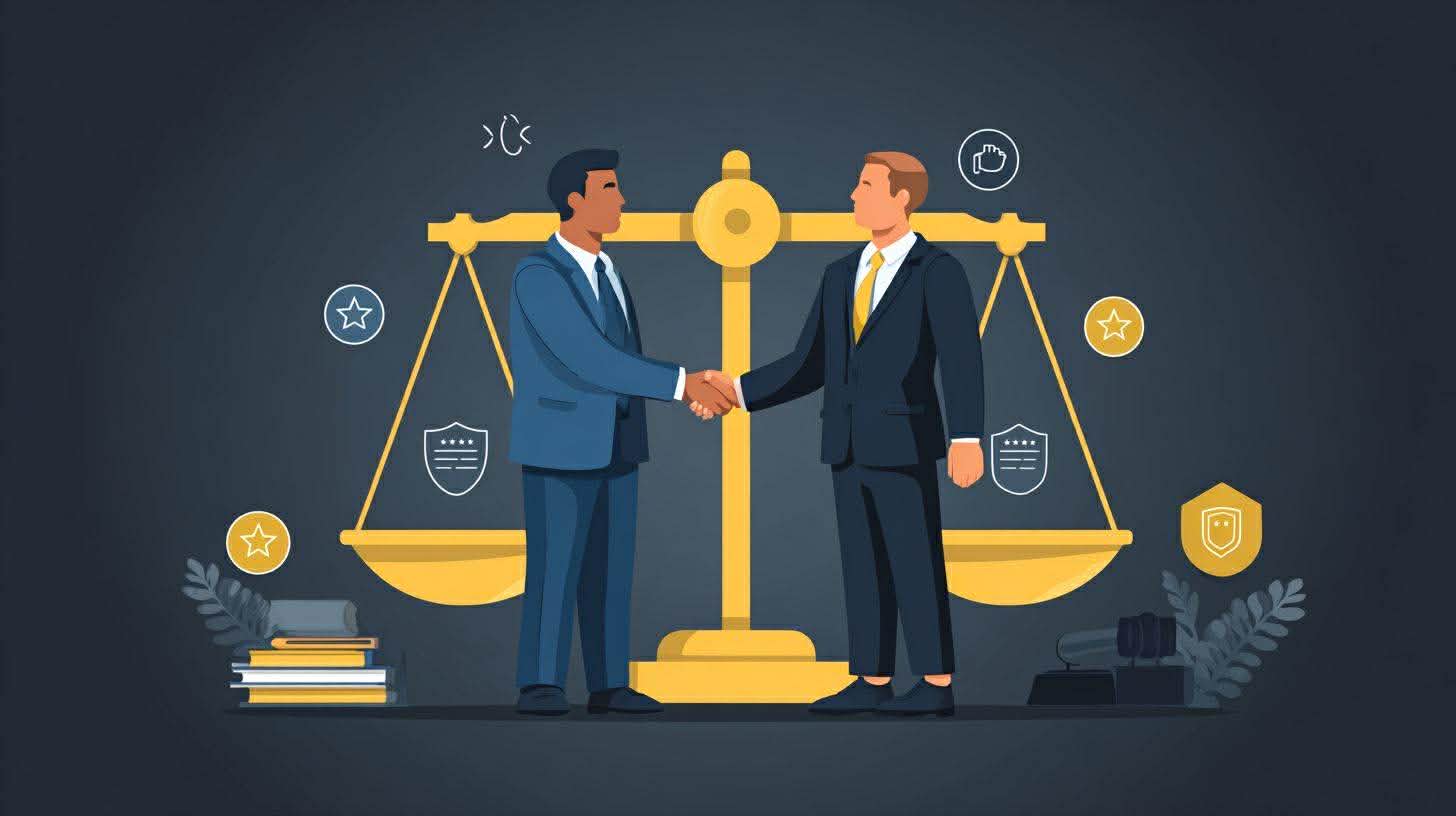
A single viral negative review can derail a business overnight. What used to be a customer service issue has become a legal, financial, and operational risk. As online reputation crises grow faster and more complex, reputation repair services are increasingly partnering with law firms to respond with speed, authority, and durability.
This shift is not about marketing optics. It is about aligning technical visibility control with enforceable legal action. Together, these partnerships are reshaping how reputation damage is addressed in a digital-first economy.
Why Demand for Reputation Repair Services Is Surging
The growth in reputation repair services is not driven by paranoia. It is driven by exposure.
Businesses now operate under constant public evaluation across reviews, social platforms, and search results. Consumers research before buying. Employees research before applying. Investors research before committing. A single negative narrative, if indexed and amplified, can undo years of brand building.
Several forces are driving this surge:
- Reviews now directly influence conversion rates and local search rankings
- Social media accelerates reputational damage within hours, not weeks
- Platform enforcement is inconsistent, slow, and often opaque
- Algorithm updates increasingly favor third-party criticism over brand-owned content
As a result, reputation repair services are no longer reactive add-ons. They are embedded in risk management strategies.
Negative Reviews and Social Media Now Create Legal Risk
What begins as a review problem often escalates into a legal issue.
False allegations, coordinated review attacks, and defamatory social posts are increasingly common. Businesses quickly discover that responding politely or flagging content is not enough. Platforms rarely act without substantial evidence or legal pressure.
Reputation repair services handle the technical aspects of the problem, including monitoring, suppression, and control of search visibility. Law firms handle what platforms take seriously: cease-and-desist letters, subpoenas, injunctions, and litigation when necessary.
The combination matters because neither side can fully solve the problem on its own.
Why Legal Complexity Changed the Industry
Online reputation disputes intersect multiple legal constraints.
In the U.S., Section 230 protects platforms from liability, forcing victims to pursue content creators instead. Defamation standards remain high, especially for public-facing businesses and executives. DMCA takedowns require precision and carry risk if misused. International cases add jurisdictional confusion.
Reputation repair services increasingly rely on legal partners to:
- Assess whether content crosses legal thresholds
- Preserve evidence before it disappears
- Apply pressure that platforms recognize
- Avoid regulatory missteps that worsen the situation
This legal grounding has become essential as reputational damage becomes more adversarial.
Complementary Expertise Is the Real Advantage
The value of these partnerships lies in how responsibilities are divided.
Reputation repair services specialize in visibility. They manage search results, ethically suppress harmful content, strengthen authoritative assets, and stabilize branded queries. Law firms specialize in enforceability. They issue demands, pursue court orders, and, when possible, secure permanent removals.
Together, they cover gaps that each side alone cannot.
Reputation repair services excel at:
- Monitoring and early detection
- SEO-based suppression and dilution
- Review ecosystem management
- Ongoing reputation stabilization
Law firms excel at:
- Defamation and libel actions
- Cease-and-desist enforcement
- Subpoenas and injunctions
- Regulatory and compliance defense
This division of labor accelerates recovery and reduces long-term risk.
Why Hybrid Approaches Deliver Better Outcomes
Businesses using combined legal and technical strategies recover faster and more completely.
Technical suppression can quickly reduce visibility, limiting damage while legal processes unfold. Legal action can remove or neutralize content that technical strategies cannot touch. When coordinated, these efforts prevent rebound effects, in which content resurfaces months later.
This is why reputation repair services increasingly build legal coordination into their workflows rather than treating litigation as a last resort.
Compliance Has Become a Strategic Requirement
Modern reputation repair must operate within tightening regulatory frameworks.
FTC enforcement around reviews, GDPR and privacy obligations, healthcare data rules, and platform-specific policies all carry financial and legal risk. A misstep in review generation or suppression can result in penalties that exceed the original damage.
Legal partnerships allow reputation repair services to operate defensibly, ensuring:
- Review practices to comply with FTC guidance
- Privacy-related removals follow proper legal channels
- Data handling meets regulatory standards
- Crisis responses do not create secondary exposure
This compliance layer is now a competitive differentiator.
Market Forces Are Pushing the Shift
Several industry trends are accelerating these partnerships.
Search engines are becoming more sensitive to manipulation and authenticity. AI-generated content and fake reviews are easier to detect. Executive and personal reputation cases are rising sharply. Global businesses face multilingual, multi-jurisdictional exposure.
Reputation repair services without legal backing struggle to keep pace with these realities.
What This Means for Businesses
Reputation repair is no longer about “cleaning things up.” It is about control, defense, and resilience.
Businesses that rely solely on technical tactics often find themselves stuck when platforms refuse to act or when damage crosses legal boundaries. Businesses that rely only on legal remedies move too slowly to prevent financial harm.
Hybrid models exist because the threat landscape demands them.
Firms like NetReputation.com reflect this evolution by treating reputation repair as a long-term system that blends visibility management, monitoring, and escalation pathways rather than offering simple takedown promises.
The Future of Reputation Repair Services
Reputation repair services are becoming infrastructure, not emergency services.
As digital identity continues to shape trust, these services will integrate more tightly with legal, compliance, and executive protection functions. The businesses that adapt fastest will not be those chasing shortcuts for removal, but those building coordinated defense strategies.
In this environment, partnerships between reputation repair services and law firms are not optional. They are the model the industry is converging toward.