
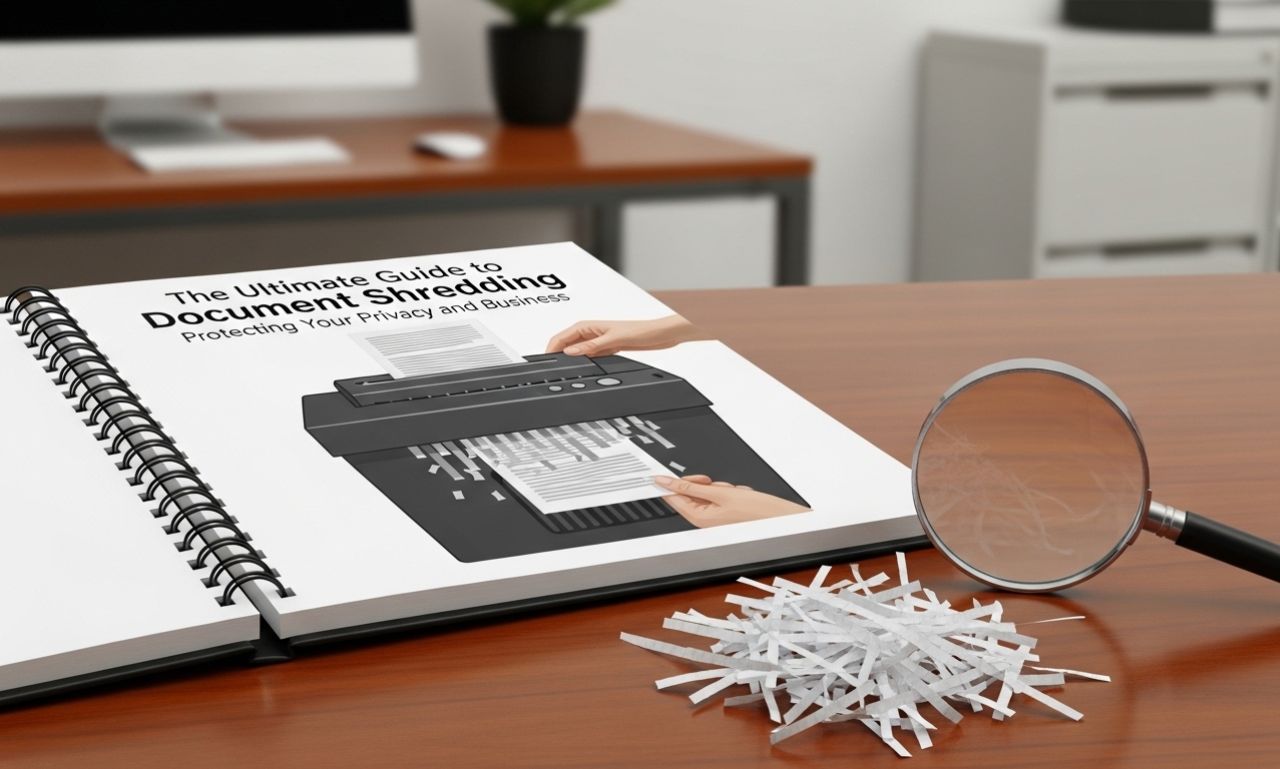
In today’s digital and information-driven world, document shredding has become more than just an office chore—it’s a crucial step in protecting sensitive information. From personal identity data to confidential business records, improper disposal of documents can lead to data breaches, identity theft, and legal complications. Understanding the importance of document shredding and implementing proper practices is essential for both individuals and organizations.
What is Document Shredding?
Document shredding refers to the process of destroying physical papers in a way that makes them unreadable and irrecoverable. Unlike simple tearing, professional shredding ensures that sensitive information cannot be reconstructed. This process can include cross-cut shredding, strip-cut shredding, and even industrial-scale destruction for large volumes of documents.
The benefits of document shredding extend beyond privacy. It helps businesses comply with regulations like GDPR, HIPAA, and FACTA, which mandate secure disposal of confidential information. For individuals, shredding protects against identity theft and misuse of personal data such as bank statements, medical records, and financial documents.
Types of Document Shredding
When it comes to document shredding, not all methods are created equal. Choosing the right type depends on the volume of documents and the level of security required. Here are the most common shredding types:
1. Strip-Cut Shredding The Ultimate Guide to Document Shredding
Strip-cut shredding slices paper into long, narrow strips. While this method is suitable for low-security needs and small volumes, it is easier to reconstruct than other shredding types.
2. Cross-Cut Shredding The Ultimate Guide to Document Shredding
Cross-cut shredding cuts paper both vertically and horizontally, producing small confetti-like pieces. This method offers higher security and is ideal for sensitive documents like tax forms or employee records.
3. Micro-Cut Shredding The Ultimate Guide to Document Shredding
Micro-cut shredding provides the highest level of security. The paper is reduced to tiny particles, making it virtually impossible to piece back together. Micro-cut shredding is commonly used for highly confidential information in corporate or government settings.
4. Industrial Shredding The Ultimate Guide to Document Shredding
For organizations handling massive volumes of documents, industrial shredders provide high-speed, large-scale destruction. Some companies even offer on-site shredding trucks for added convenience and security.
The Benefits of Document Shredding
Implementing document shredding practices offers a variety of benefits for both personal and business contexts:
1. Protects Sensitive Information The Ultimate Guide to Document Shredding
Shredding ensures that private information such as social security numbers, financial statements, and medical records are safely destroyed, reducing the risk of identity theft.
2. Ensures Regulatory Compliance The Ultimate Guide to Document Shredding
Many industries are legally required to dispose of sensitive documents securely. Document shredding helps businesses meet these regulatory obligations, avoiding penalties and legal complications.
3. Reduces Clutter and Improves Organization The Ultimate Guide to Document Shredding
Regular shredding prevents unnecessary accumulation of documents, helping offices and homes stay organized. This improves efficiency and makes it easier to access the documents you actually need.
4. Environmental Benefits The Ultimate Guide to Document Shredding
Most document shredding services offer recycling programs. By shredding and recycling paper, companies and individuals can contribute to environmental sustainability while responsibly managing waste.
On-Site vs. Off-Site Document Shredding
When considering document shredding, businesses often face the choice between on-site and off-site services.
-
On-Site Shredding: A mobile shredding truck comes directly to your location to destroy documents in front of you. This method provides transparency and maximum security for highly sensitive data.
-
Off-Site Shredding: Documents are securely transported to a shredding facility for destruction. While convenient for high volumes, it is essential to choose a certified provider to ensure compliance and security.
Both options have advantages, and the best choice depends on the volume of documents and the sensitivity of the information.
Tips for Effective Document Shredding
To maximize the benefits of document shredding, follow these best practices:
-
Sort Documents Regularly: Identify which documents need to be shredded and which can be safely stored.
-
Use Secure Bins: Place sensitive documents in locked shredding bins to prevent unauthorized access before destruction.
-
Choose a Certified Shredder: Ensure your shredding service has certifications such as NAID (National Association for Information Destruction).
-
Shred Confidential Items Only: Avoid unnecessary shredding of non-sensitive documents to save time and resources.
-
Schedule Regular Shredding: For businesses, periodic shredding prevents accumulation and reduces security risks.
Common Misconceptions About Document Shredding The Ultimate Guide to Document Shredding
Despite its importance, document shredding is sometimes misunderstood:
-
Tearing Paper Is Enough: Simply tearing or crumpling documents does not ensure data security. Pieces can often be reconstructed.
-
Only Businesses Need Shredding: Individuals also possess sensitive information at home, such as tax records, medical bills, and financial statements.
-
Digital Documents Are Safe: Even digital files require secure deletion methods to prevent recovery, complementing physical shredding practices.
Choosing the Right Document Shredding Service The Ultimate Guide to Document Shredding
Selecting a professional shredding service is crucial for security and compliance. Consider the following factors:
-
Certification and Experience: Look for NAID-certified companies with a proven track record.
-
Shredding Methods: Ensure they provide the level of shredding required (cross-cut or micro-cut).
-
Security Policies: Verify how documents are transported, stored, and destroyed.
-
Recycling Practices: Environmentally responsible services offer paper recycling.
-
Customer Reviews: Check client feedback to assess reliability and professionalism.
Conclusion:
In an era where personal and corporate information is constantly at risk, document shredding is an essential step in safeguarding data. From protecting sensitive information to complying with legal requirements, proper shredding practices benefit everyone. By understanding the types, benefits, and best practices of document shredding, individuals and businesses can ensure their confidential data remains secure, organized, and responsibly disposed of.
Prioritizing document shredding is not just a task—it’s an investment in privacy, security, and peace of mind.