
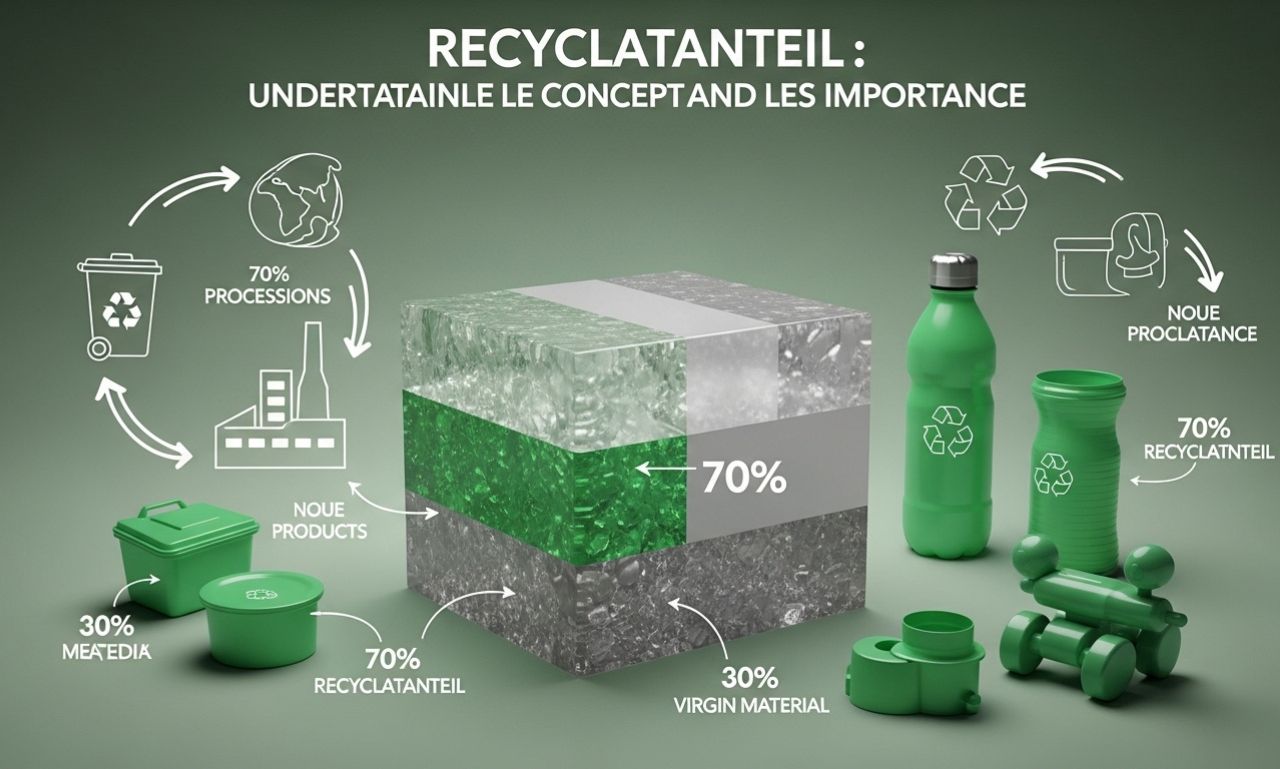
The term Recyclatanteil is a German word commonly used in discussions about recycling, sustainability, and environmental management. As environmental awareness grows globally, terms like Recyclatanteil are becoming increasingly relevant in industries ranging from packaging to manufacturing.
Recyclatanteil literally translates to “recycled content share” in English, and it refers to the proportion of recycled materials used in a product compared to virgin (new) materials. Understanding Recyclatanteil is crucial for businesses, consumers, and policymakers aiming to reduce waste and improve sustainability.
What Does Recyclatanteil Mean?
Recyclatanteil is a measure of how much recycled material is incorporated into a product or packaging. It is usually expressed as a percentage, showing the ratio of recycled content to total material content.
For example:
-
If a plastic bottle has a Recyclatanteil of 50%, it means half of the material used in the bottle comes from recycled sources.
-
The higher the Recyclatanteil, the more environmentally friendly the product is considered.
Importance of Recyclatanteil in Sustainability
The Recyclatanteil of a product has significant implications for sustainability efforts:
-
Resource Conservation
Using recycled materials reduces the need for raw materials, saving natural resources like petroleum, metals, or wood. -
Waste Reduction
Higher Recyclatanteil helps divert waste from landfills and promotes a circular economy where materials are reused instead of discarded. -
Energy Efficiency
Producing items from recycled materials often requires less energy than producing from virgin resources, reducing the carbon footprint. -
Regulatory Compliance
Many countries and regions have laws or guidelines that encourage or require certain minimum Recyclatanteil levels for packaging and products.
How Recyclatanteil Is Measured
Measuring Recyclatanteil involves analyzing the materials used in production. Key factors include:
-
Type of recycled material: Post-consumer vs. post-industrial recycling
-
Purity of recycled content: Higher purity can improve product quality
-
Calculation method: Often expressed as a weight or volume percentage of the total product
Companies usually report Recyclatanteil on product labels, sustainability reports, or environmental certifications.
Re cyclatanteil in Packaging and Products
Re cyclatanteil is particularly important in packaging materials like plastics, cardboard, and aluminum. For example:
-
Plastic bottles: Increasing the Re cyclatanteil reduces dependency on new plastic production and helps combat plastic pollution.
-
Cardboard packaging: Using recycled fibers lowers deforestation and energy consumption.
-
Metal products: Aluminum and steel can be recycled multiple times without losing quality, so high Re cyclatanteil is beneficial.
Products with higher Re cyclatanteil often appeal to environmentally conscious consumers, supporting brand reputation and market competitiveness.
Challenges in Increasing Re cyclatanteil
While using recycled content is beneficial, several challenges exist:
-
Quality Concerns
Recycled materials may have different properties than virgin materials, affecting product performance or durability. -
Supply Limitations
Sufficient amounts of recycled materials may not always be available, especially for certain plastics or specialized materials. -
Cost Considerations
Collecting, sorting, and processing recycled materials can be more expensive than using virgin materials in some cases. -
Contamination Issues
Recycled materials must meet strict quality standards, and contamination can lower the effective Re cyclatanteil.
Increasing Re cyclatanteil: Best Practices
Businesses can adopt strategies to increase the Re cyclatanteil of their products:
-
Partner with certified recycling suppliers
-
Use post-consumer recycled materials wherever possible
-
Design products for recyclability and easy material separation
-
Monitor and optimize production processes to minimize waste
Consumers can also influence Re cyclatanteil by choosing products labeled with high recycled content, encouraging manufacturers to adopt more sustainable practices.
Global Relevance of Recyclatanteil
Re cyclatanteil is a key concept in European Union policies, especially under the EU Packaging and Packaging Waste Directive. Many companies in Germany, Austria, and other European countries use Re cyclatanteil percentages to demonstrate compliance with environmental regulations.
Globally, increasing the recycled content in products contributes to meeting sustainability goals, reducing greenhouse gas emissions, and moving toward a circular economy.
Final Thoughts
Recyclatanteil is more than just a technical term; it represents a measurable commitment to sustainability and responsible resource use. By understanding and increasing Re cyclatanteil in products, manufacturers, consumers, and policymakers can contribute to a more sustainable future.
Whether in packaging, consumer goods, or industrial materials, focusing on Re cyclatanteil ensures that recycling efforts translate into tangible environmental benefits.