
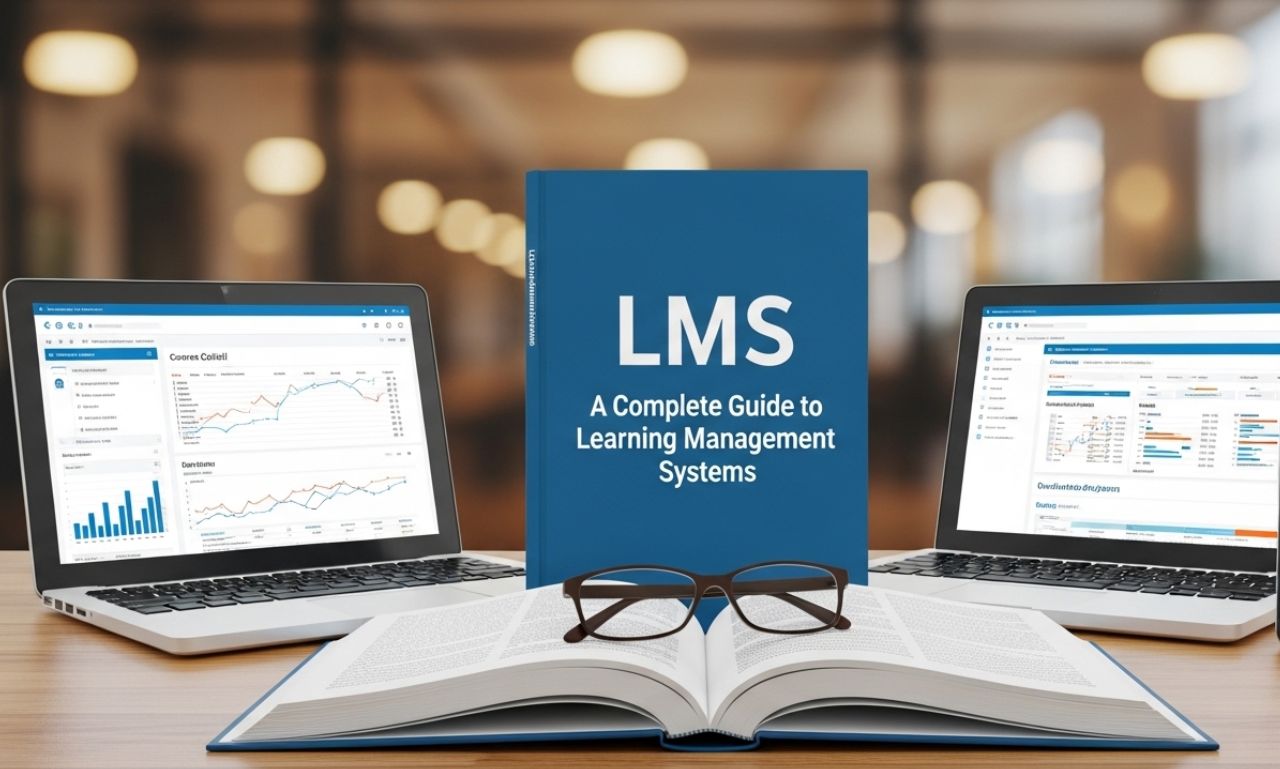
An LMS (Learning Management System) is a digital platform designed to create, deliver, manage, and track educational courses and training programs. In today’s technology-driven world, LMS platforms have transformed the way schools, universities, and businesses provide learning experiences. From online classrooms to corporate training modules, an LMS plays a vital role in modern education and professional development.
This article explores what an LMS is, its features, benefits, types, applications, and how organizations can choose the right system.
What Is an LMS?
An LMS is software that enables instructors, trainers, and organizations to manage learning activities in one centralized platform. It allows users to upload course materials, assign tasks, conduct assessments, and monitor learner progress.
An LMS typically includes:
-
Course creation tools
-
User management
-
Progress tracking
-
Assessment and grading systems
-
Reporting and analytics
Learning Management Systems are widely used in academic institutions and corporate environments to streamline education and training processes.
Key Features of an LMS
Modern LMS platforms offer a wide range of features designed to enhance learning efficiency.
1. Course Management
An LMS allows educators to create and organize courses, upload multimedia content, and structure lessons systematically.
2. User Enrollment
Administrators can enroll students or employees, assign roles, and manage permissions easily.
3. Assessment Tools
Quizzes, assignments, and exams can be conducted online. Many LMS platforms also support automated grading.
4. Progress Tracking
Instructors can monitor learner performance, attendance, and completion rates in real time.
5. Reporting and Analytics
Detailed reports help organizations measure learning outcomes and training effectiveness.
6. Mobile Accessibility
Most LMS systems are mobile-friendly, enabling learners to access content anytime and anywhere.
Benefits of Using an LMS
Implementing an LMS offers multiple advantages for educational institutions and businesses.
Flexibility and Accessibility
Learners can study at their own pace and access materials remotely.
Cost-Effective Training
Organizations save costs related to travel, printed materials, and physical classrooms.
Centralized Learning Resources
All content is stored in one digital location, making management easier.
Improved Engagement
Interactive features such as videos, quizzes, and discussion forums increase participation.
Performance Monitoring
Managers and educators can evaluate learning progress through data-driven insights.
Types of LMS Platforms
There are different types of L MS solutions depending on organizational needs.
1. Cloud-Based
Cloud-based systems are hosted online and do not require complex installation. They are easy to scale and maintain.
Examples include:
-
Moodle
-
Canvas
2. Self-Hosted
Organizations install and manage the software on their own servers. This option provides greater customization and control.
3. Corporate
Designed for employee training, compliance courses, and skill development.
4. Academic
Used by schools, colleges, and universities to manage coursework and online classes.
Popular LMS Platforms
Several well-known LMS platforms are widely adopted around the world:
-
Blackboard Learn
-
Google Classroom
-
TalentL MS
Each platform offers unique features tailored to specific audiences.
LMS in Corporate Training
An L MS plays a critical role in corporate environments by delivering structured employee training programs. Companies use L MS platforms for:
-
Onboarding new employees
-
Compliance training
-
Skill development
-
Performance improvement programs
With remote work becoming more common, L MS solutions ensure continuous learning without location barriers.
LMS in Educational Institutions
Schools and universities rely heavily on L MS systems for online and hybrid learning models.
Key academic uses include:
-
Virtual classrooms
-
Assignment submissions
-
Digital gradebooks
-
Student-teacher communication
-
Course scheduling
The adoption of L MS platforms increased significantly during global shifts toward remote education.
How to Choose the Right LMS
Selecting the best L MS depends on several factors.
Identify Learning Goals
Determine whether the focus is academic instruction, employee training, or certification programs.
Consider Scalability
Choose a platform that can grow with your organization.
Evaluate User Experience
A simple and intuitive interface improves adoption rates.
Check Integration Capabilities
Ensure compatibility with existing tools such as HR software or video conferencing platforms.
Assess Security Features
Data privacy and secure login systems are essential.
Challenges of Implementing an LMS
While L MS platforms offer many advantages, there are potential challenges.
-
Initial setup costs
-
Staff training requirements
-
Technical support needs
-
Resistance to change
Proper planning and training can minimize these challenges.
The Future of LMS Technology
The future of L MS systems includes advanced features such as:
-
Artificial intelligence-driven personalization
-
Gamification elements
-
Virtual and augmented reality integration
-
Advanced analytics and predictive insights
These innovations aim to make learning more interactive, efficient, and data-driven.
Conclusion
An L MS is a powerful digital solution that transforms how education and training are delivered. Whether used in schools, universities, or corporate environments, an L MS centralizes learning resources, enhances accessibility, and provides measurable outcomes.
As technology continues to evolve, L MS platforms will become even more sophisticated, supporting personalized learning experiences and global collaboration. Investing in the right L MS ensures effective knowledge delivery and long-term organizational growth.