
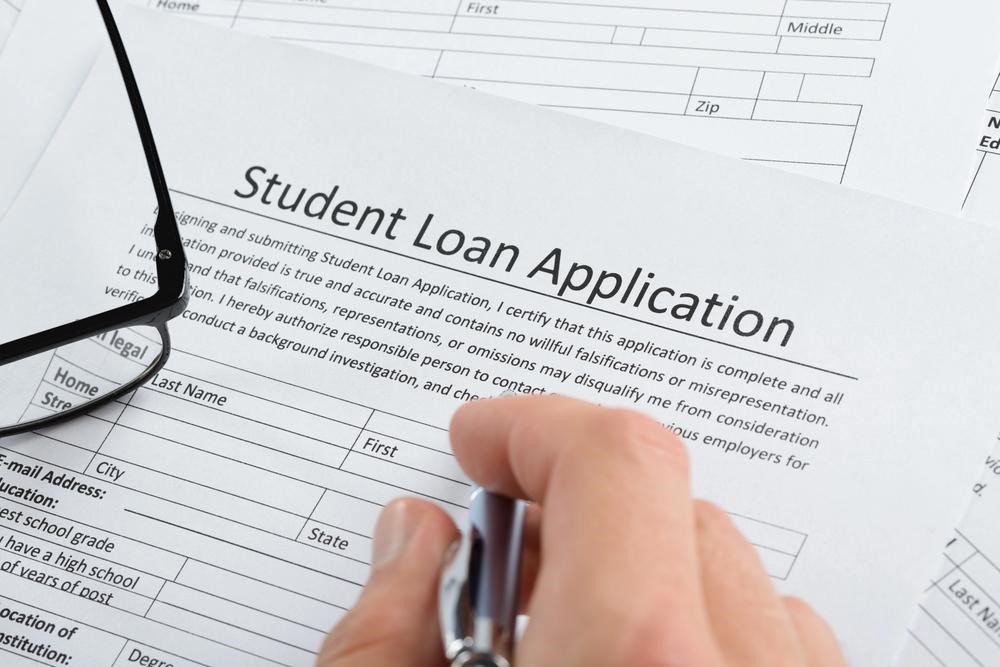
Student loan debt has become one of the most common financial challenges facing individuals and families today. With rising education costs and complex repayment terms, many borrowers struggle to keep up with monthly payments while managing everyday expenses. In situations like these, working with a knowledgeable student loan attorney can provide clarity and direction. Legal guidance helps borrowers understand their rights, explore available options, and create a realistic plan to regain financial balance.
For some individuals, student loans are only one part of a larger financial picture. When debt from multiple sources becomes overwhelming, support from a chapter 13 bankruptcy attorney can be especially valuable. Chapter 13 offers a structured repayment approach that may help borrowers manage student loans alongside other obligations while protecting income and assets. With professional guidance, it becomes easier to navigate complex decisions with confidence.
Understanding Student Loan Challenges
Student loans are unique compared to other forms of debt. Federal and private loans follow different rules, repayment options, and legal protections. Interest rates, income based plans, deferment options, and loan forgiveness programs all add layers of complexity that can confuse borrowers.
Missed payments can quickly lead to penalties, damaged credit, and aggressive collection efforts. In some cases, wages may be garnished or tax refunds withheld. Understanding these risks is the first step toward addressing the problem effectively and preventing long term financial harm.
The Role of a Student Loan Attorney
A student loan attorney focuses on helping borrowers understand and manage education related debt. Their role includes reviewing loan agreements, identifying errors, and explaining available repayment or relief options. Many borrowers are unaware of programs that could reduce monthly payments or temporarily pause collection activity.
An attorney can also assist when disputes arise with loan servicers. Errors in payment records, incorrect balances, or misapplied payments are more common than many realize. Legal guidance ensures these issues are addressed properly and efficiently.
Exploring Repayment and Relief Options
Borrowers often have more options than they initially believe. Income driven repayment plans, consolidation, and rehabilitation programs may be available depending on the type of loan. A student loan attorney helps evaluate which options align with the borrower’s income, goals, and long term financial stability.
In some situations, borrowers may qualify for loan discharge due to disability, school misconduct, or other qualifying circumstances. Understanding eligibility requirements and completing the necessary documentation can be challenging without professional support.
How Chapter 13 Bankruptcy Fits In
While student loans are generally not discharged through bankruptcy, Chapter 13 can still play a meaningful role in debt management. It allows borrowers to create a court approved repayment plan that includes student loans along with other debts. This structure can provide breathing room and prevent aggressive collection actions during the repayment period.
Chapter 13 may also help borrowers catch up on missed payments and stabilize finances. By reorganizing obligations into manageable monthly payments, individuals can focus on long term recovery rather than constant financial pressure.
Managing Financial Stress and Emotional Impact
Student loan debt affects more than just finances. It often causes stress, anxiety, and feelings of uncertainty about the future. Many borrowers delay major life decisions such as buying a home or starting a family due to financial strain.
Legal guidance provides reassurance by offering clear information and actionable steps. Knowing that a professional is advocating on your behalf can ease stress and restore a sense of control during a challenging time.
The Importance of Accurate Information
Misinformation about student loans is widespread. Some borrowers assume there are no options available or believe that ignoring the problem will make it go away. Unfortunately, this often leads to worse outcomes.
A student loan attorney helps separate facts from myths. By understanding actual legal rights and responsibilities, borrowers can make informed decisions that support their financial goals rather than relying on guesswork.
Long Term Financial Planning
Addressing student loan debt is not just about short term relief. It requires a long term strategy that considers income growth, career plans, and personal priorities. Legal professionals help borrowers look beyond immediate challenges and plan for sustainable financial health.
This planning may include budgeting guidance, timeline projections, and coordination with other financial obligations. When student loans are managed thoughtfully, borrowers can move forward with greater confidence and stability.
Protecting Credit and Financial Reputation
Student loan delinquency can significantly impact credit scores. Late payments, defaults, and collections may remain on credit reports for years, affecting access to housing, transportation, and employment opportunities.
Legal intervention can help prevent unnecessary damage by addressing issues early. Attorneys work to resolve disputes, negotiate terms, and ensure accurate reporting. Protecting credit is a critical part of long term financial recovery.
When to Seek Legal Help
Many borrowers wait too long before seeking assistance, hoping their situation will improve on its own. Early intervention often leads to better outcomes. If payments feel unmanageable, collection notices are increasing, or confusion about options persists, it may be time to consult a professional.
Seeking help does not mean failure. It means taking responsibility and proactively addressing a complex issue with the right support.
Choosing the Right Legal Support
Not all legal professionals have experience with student loan matters. It is important to work with someone who understands the unique nature of education debt and how it interacts with broader financial laws.
A good attorney listens carefully, explains options clearly, and creates strategies tailored to individual needs. This personalized approach builds trust and improves the likelihood of successful outcomes.
Final Thoughts
Student loan debt can feel overwhelming, but it does not have to define your future. With proper legal guidance, borrowers can gain clarity, explore realistic solutions, and regain control of their finances. Whether addressing repayment options or coordinating debt management through structured plans, professional support makes a meaningful difference.