
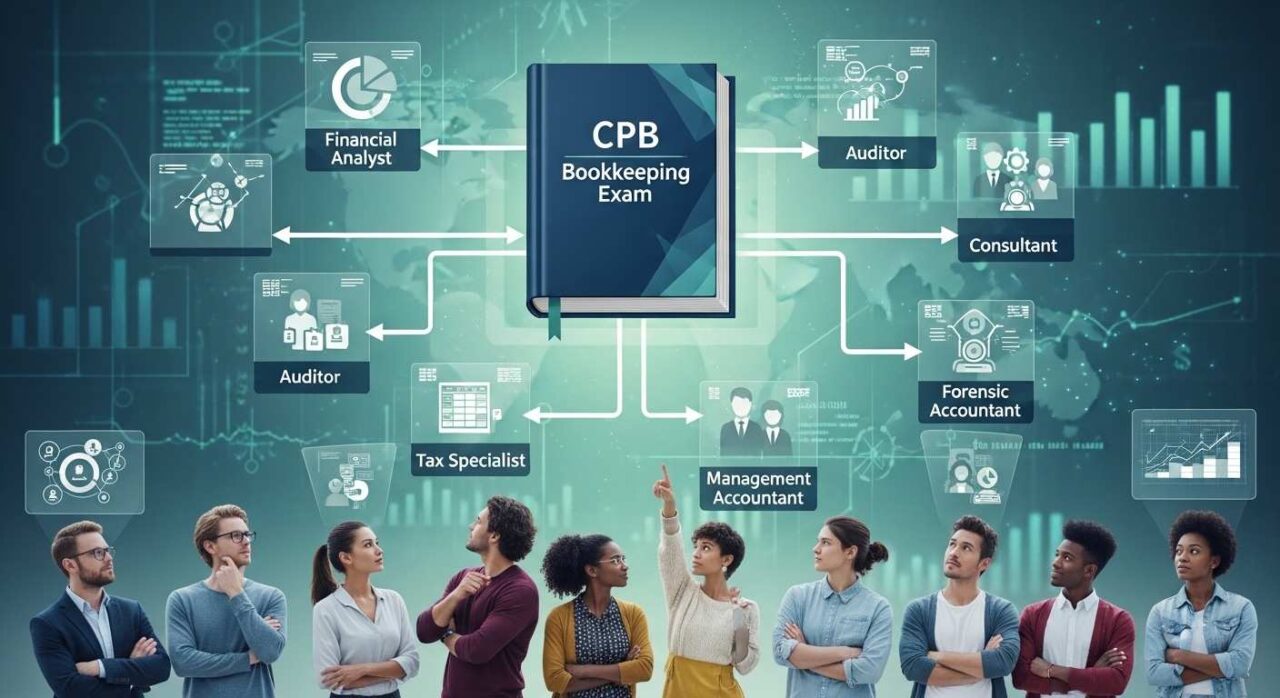
Bookkeeping was once thought to be something you learned via experience. You developed your reputation via years of practical experience, learnt on the job, and worked out debits and credits by doing them. Although the work economy in 2026 presents a different picture, that strategy still has merit. Employers and clients want proof. They want credentials they can verify before handing someone the keys to their financial records.
That shift is a big part of why the Certified Public Bookkeeper exam has become such a talked-about credential over the past couple of years. Administered by the National Association of Certified Public Bookkeepers, the CPB designation covers the core areas that businesses actually care about — payroll processing, adjusting entries, financial statement preparation, depreciation, and internal controls. It is a rigorous exam, and passing it tells the market that you understand the mechanics behind accurate financial reporting.
But here is the part a lot of people get wrong. They assume that because bookkeeping seems straightforward, the exam must be easy. It is not. The CPB test is broken into multiple sections and each one demands a solid grasp of both theory and application. Candidates are expected to handle scenarios involving error correction, bank reconciliations, and multi-step accounting processes under timed conditions. Walking in unprepared is a quick way to waste both money and confidence.
That is exactly why preparation strategy has become just as important as the material itself. A growing number of candidates are starting their study plans by working through a practice test that mirrors the actual exam format. Simulating real conditions early on helps identify knowledge gaps before they become expensive surprises on test day.
What makes the CPB particularly relevant right now is the broader economic context. Small businesses are expanding again after several uncertain years, and they need reliable financial support. At the same time, remote bookkeeping has exploded as a service model. Freelancers and virtual bookkeeping firms are competing for clients across state lines, and certification is often what separates a serious professional from someone running a side hustle out of a spreadsheet.
For anyone seriously considering this path, building a study routine around CPB practice tests is one of the smarter moves you can make. Repetition builds familiarity, and familiarity reduces test anxiety. Many successful candidates report that consistent practice with timed questions made the biggest difference in their final scores.
The financial incentives are worth mentioning too. Certified bookkeepers consistently out-earn their non-certified counterparts. Industry salary surveys from late 2025 showed a gap of roughly fifteen to twenty percent in median pay between those with and without credentials. For someone early in their career, that margin adds up fast over a decade.
Whether you are switching careers, upgrading your skills, or building a freelance practice, the CPB exam is worth a serious look. Start with a solid study plan, test yourself with an online practice test, and give yourself enough runway to prepare properly. The credential pays for itself faster than most people expect.