
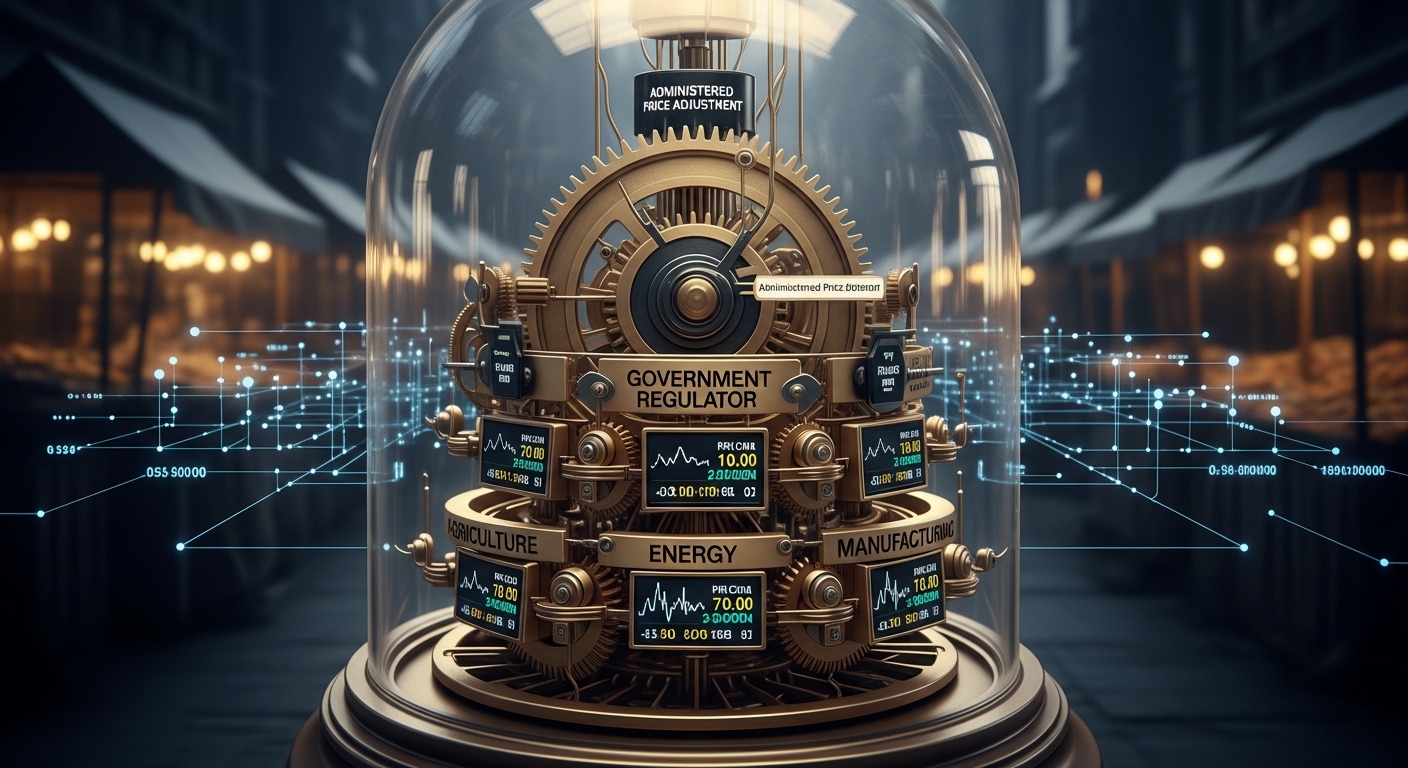
The administered price mechanism is an important concept in economic policy, particularly in countries where governments play an active role in regulating essential goods and services. It refers to a system in which prices are not determined solely by market forces of demand and supply but are instead set or influenced by authorities. This mechanism is often used to protect consumers from sharp price fluctuations, ensure affordability, and support producers in sensitive sectors. In a world of economic uncertainty, inflationary pressures, and income inequality, the administered price mechanism continues to attract attention from policymakers and economists. Understanding how it works and why it is applied helps readers gain clarity on government intervention in markets and its broader economic implications.
Understanding the Concept of Administered Price Mechanism
The administered price mechanism involves the deliberate fixing or regulation of prices by the government or authorized institutions. Unlike free market pricing, where prices adjust automatically, administered prices are decided based on policy objectives. These objectives may include controlling inflation, ensuring fair access to essential goods, or stabilizing strategic industries. Common examples include prices of agricultural produce, fuel, electricity, and public transportation. The administered price mechanism aims to balance economic efficiency with social welfare. By intervening in pricing, governments attempt to shield vulnerable populations from price volatility. However, this mechanism requires careful planning because inappropriate pricing decisions can distort markets. When implemented thoughtfully, it acts as a tool for maintaining economic balance and protecting long-term national interests.
Objectives Behind Implementing Administered Prices
The primary objective of the administered price mechanism is to achieve economic and social stability. Governments use this approach to control the prices of essential commodities that directly affect daily life. Stabilizing prices helps manage inflation and ensures that basic necessities remain affordable for low and middle-income groups. Another objective is to support producers by guaranteeing minimum returns, especially in sectors like agriculture. This reduces income uncertainty and encourages continued production. The administered price mechanism also plays a role in correcting market failures where monopolies or supply shortages could lead to unfair pricing. By setting prices, authorities attempt to promote equity while preventing exploitation. These objectives reflect the broader role of government in guiding economic development and protecting public welfare.
Impact of Administered Price Mechanism on Consumers
For consumers, the administered price mechanism offers a level of protection against unpredictable market movements. When prices of essential goods are regulated, households can plan their expenses with greater certainty. This is particularly beneficial during periods of inflation or economic slowdown. Administered prices can help ensure access to basic services such as food, energy, and transportation at reasonable costs. However, if prices are set too low, shortages may arise due to reduced supply. This highlights the delicate balance required in applying the administered price mechanism. While consumers benefit from price stability, long-term success depends on aligning consumer interests with sustainable production and distribution systems that keep markets functional.
Effects on Producers and Market Efficiency
The administered price mechanism also significantly affects producers and overall market efficiency. By guaranteeing fixed or minimum prices, producers receive income stability and reduced risk. This is especially important in agriculture and energy sectors, where production costs and external factors can be unpredictable. Stable pricing can encourage investment and long-term planning. On the other hand, excessive price controls may reduce competition and innovation. Producers might lack incentives to improve efficiency if prices are guaranteed regardless of performance. The administered price mechanism must therefore be flexible and responsive to changing market conditions. When aligned with productivity goals, it can support both producer welfare and economic efficiency without causing long-term distortions.
Administered Price Mechanism in Developing Economies
In developing economies, the administered price mechanism plays a crucial role in supporting growth and social stability. These economies often face challenges such as income inequality, food insecurity, and limited market infrastructure. Administered pricing helps governments address these issues by ensuring affordable access to essential goods. It also supports priority sectors that are vital for employment and rural livelihoods. However, fiscal pressure can increase if subsidies are required to maintain administered prices. Policymakers must carefully evaluate costs and benefits to avoid excessive budget burdens. In many cases, gradual reforms are introduced to balance market efficiency with social protection. This makes the administered price mechanism a dynamic policy tool rather than a static system.
Conclusion
The administered price mechanism remains a significant component of modern economic policy, particularly in economies seeking stability and social equity. By regulating prices of essential goods and services, governments aim to protect consumers, support producers, and manage inflationary pressures. While it offers clear benefits, its effectiveness depends on thoughtful design and periodic review. Poorly implemented price controls can lead to inefficiencies, while well-managed systems can strengthen economic resilience. As global markets evolve, the administered price mechanism continues to adapt, reflecting the ongoing need for balanced government intervention in complex economic environments.