
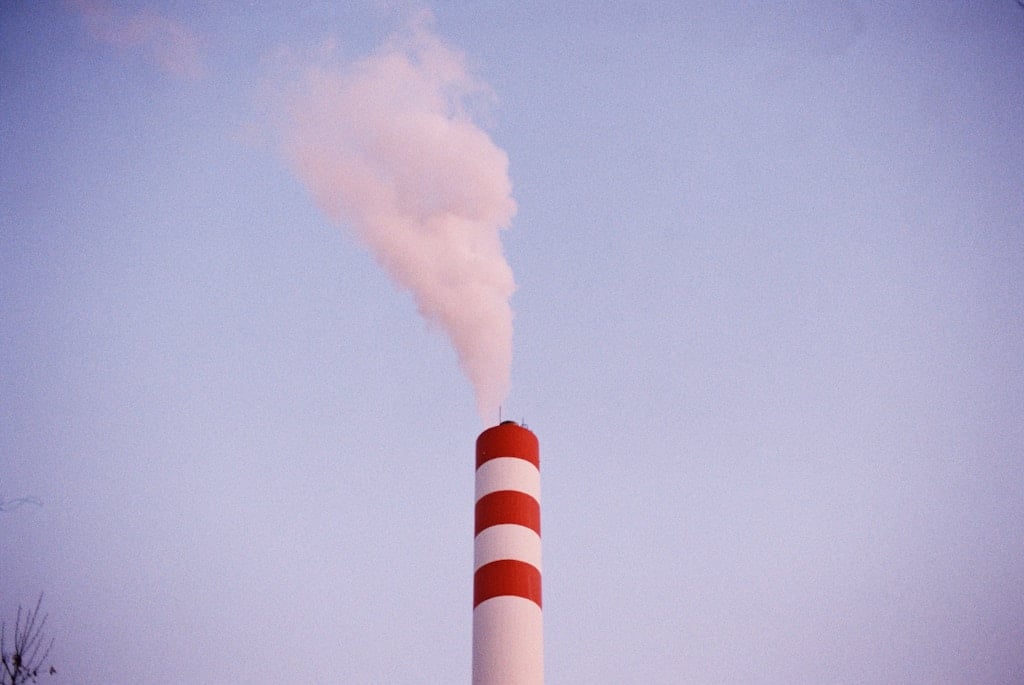
What if cutting your environmental footprint actually made your factory more profitable? That’s not wishful thinking – it’s exactly what manufacturers are discovering as sustainability solutions mature. The pressure to reduce emissions while maintaining healthy margins has pushed factories toward technologies that would have seemed impossible a generation ago. Today’s industrial operations can slash energy use, minimize waste, and lower emissions without sacrificing productivity. Curious how the leaders are pulling ahead? Let’s break it down!
What sustainability actually means for manufacturing
Industrial sustainability isn’t just about installing solar panels or recycling cardboard at the loading dock. It means meeting current production needs without compromising the ability of future generations to meet theirs. This requires balancing economic performance with environmental responsibility, worker safety, and impact on surrounding communities. Factories that get this balance right tend to outperform their competitors over the long term through lower operating costs, better employee retention, and stronger relationships with sustainability-conscious customers who increasingly demand transparency.
Four pathways to industrial decarbonization
Modern sustainability solutions focus on several key areas that work together:
- Carbon capture, utilization, and storage transforms waste emissions into valuable products or stores them safely underground
- Battery technology optimization improves production efficiency while enabling better recycling and supply chain management
- Hydrogen production development creates clean fuel alternatives for processes that cannot easily electrify
- Circular economy approaches reduce waste through material reuse, water conservation, and lifecycle thinking
Each pathway offers different benefits depending on industry type and existing infrastructure investments. Many facilities combine multiple approaches to maximize environmental impact reduction while strengthening their bottom line. The key is finding which combination works best for your specific operations and scaling from there.
The numbers tell a compelling story
Steel production shows what’s possible when industries commit to efficiency over the long haul. Energy consumption in steel manufacturing dropped from 45 million BTUs per ton in 1950 to just 15 million BTUs by 2010. That’s a reduction of nearly 70 percent in energy intensity while production volumes grew dramatically over the same period. These gains came from better process control, waste heat recovery systems, and upgraded equipment across the industry.
Similar improvements are happening across chemical production, food processing, and materials manufacturing today. Factories that measure their processes accurately can spot inefficiencies that stay hidden otherwise in aggregate numbers. Process instrumentation from companies like Endress+Hauser delivers real-time visibility that turns continuous improvement from a corporate slogan into measurable, bankable results.
Measurement technology as the foundation for progress
You cannot improve what you cannot measure accurately. This fundamental principle drives instrumentation adoption across manufacturing facilities worldwide looking to cut their environmental footprint. Sensors monitor emissions across carbon capture systems continuously without interruption. Quality analyzers ensure battery material purity during refinement processes. Flow meters optimize hydrogen production by tracking input and output ratios precisely. Level instruments prevent membrane fouling in water treatment systems. Together, these instruments create a complete operational picture that enables confident, data-driven decisions about where to invest next.
Why economics often drives sustainability forward
Here’s what many miss: sustainability solutions can pay for themselves through significantly reduced operating costs. While the initial investment—especially for complex retrofits like carbon capture—can be substantial, the long-term efficiency gains are undeniable. Lower energy consumption leads to lower utility bills, while waste reduction cuts both disposal fees and raw material overhead. Furthermore, tighter process control minimizes expensive rejects and rework. Depending on the current regulatory landscape and carbon pricing, the ROI can become increasingly compelling over time. Stop viewing environmental improvements merely as regulatory checkboxes; when strategic, they are competitive advantages waiting to be claimed by manufacturers bold enough to act first.